Dorelink
Dorelink
Dorelink
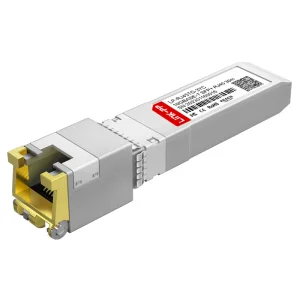
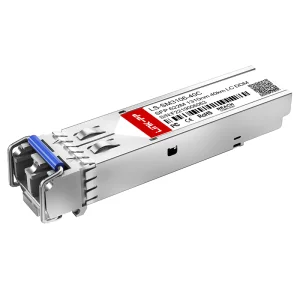
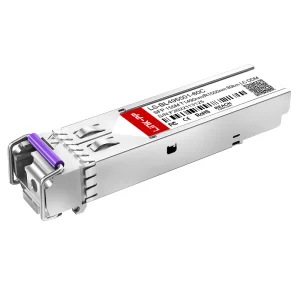
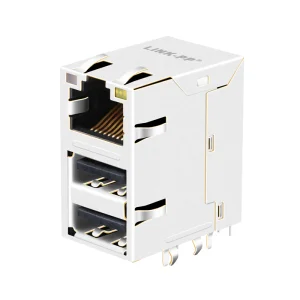
Examine our highly integrated SFP assemblies, electromagnetic cages, and high-speed multi-mode modules designed to optimize link loss budgets.
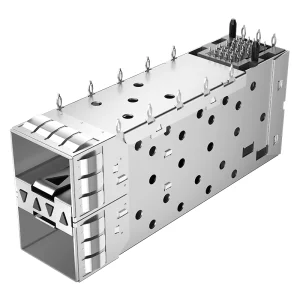
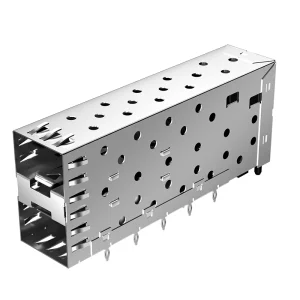
Understanding user intent, link budgets, and the hardware infrastructure of contemporary optical networks.
Modern hyperscale networks and enterprise intranets face exponential bandwidth requirements. Multi-mode fiber (MMF) infrastructure, driven by VCSEL (Vertical-Cavity Surface-Emitting Laser) technologies at 850nm, remains the most cost-effective path for links under 500 meters. The global demand focuses heavily on low latency, low power consumption, and mechanical reliability.
System integrators often run into vendor-lock issues, firmware incompatibilities, and poor signal integrity. A major procurement requirement is the supply of MSA (Multi-Source Agreement) compliant transceivers that feature customized EEPROM coding to guarantee seamless operation across multiple host systems like Cisco, Arista, Juniper, and HPE.
While Single Mode Fiber (SMF) covers longer distances, Multi-mode transceivers utilize cheaper optical transmitters (VCSELs vs. Edge Emitting Lasers), reducing overall device power draw by up to 30%. For deployments spanning campus LANs, server-to-switch links, and SANs, choosing a robust multi-mode module dramatically reduces CAPEX and OPEX.
Delivering state-of-the-art optical components since 2016. High-capacity manufacturing backboned by extensive research and engineering capabilities.
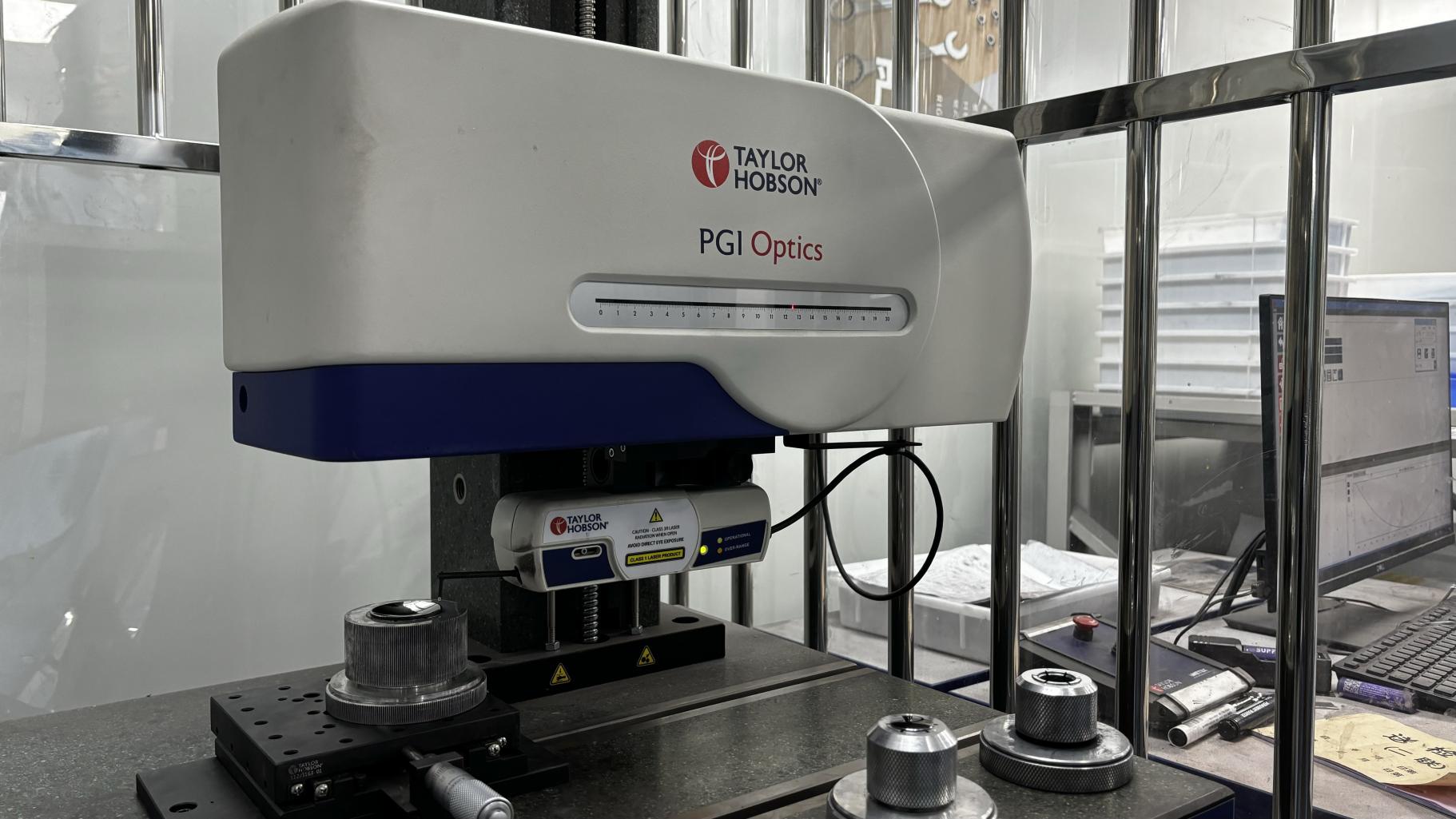
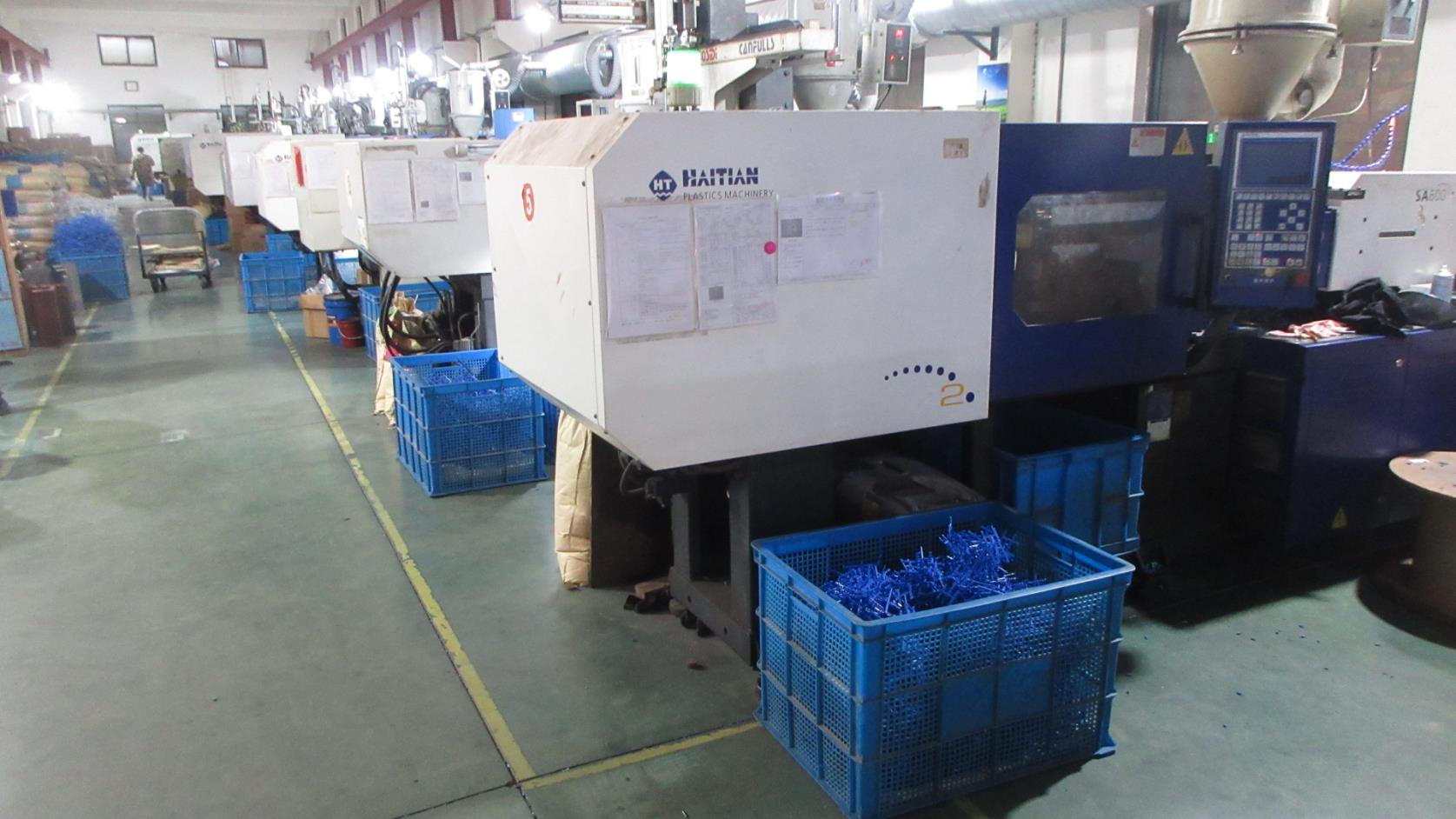
Operating a modernized 18,500㎡ manufacturing complex, Dorelink deploys advanced automated testing arrays, clean-room assembly lines, and high-reliability environment simulation chambers. We focus on integrating optical sub-assemblies (TOSA/ROSA) with precise mechanical design to ensure minimal return loss and exceptional EMI shielding across our multi-mode product lines.
Our engineering division, consisting of 120 expert hardware and firmware developers, drives the deployment of next-generation optical solutions. With 85 new optical transceiver products released last year alone, we offer robust OEM/ODM capability, tailoring optical power, reach parameters, and EEPROM compatibility codes to the exact configurations of our global clients.
A deep dive into optical physics, fiber compatibility, and mechanical engineering requirements.
Multi-mode transceivers rely primarily on VCSEL (Vertical-Cavity Surface-Emitting Lasers) operating at 850nm. VCSELs offer a narrow emission angle and high modulation bandwidths at minimal driving currents. Unlike single-mode fiber which guides a single spatial light wave, multi-mode fiber guides multiple spatial modes simultaneously, which introduces modal dispersion. This determines the relationship between bandwidth and reach.
Under the SFF-8472 industry standard, modern multi-mode SFP modules must support Digital Diagnostics Monitoring (DDM). This system provides real-time parameters from the host switch to the network manager, enabling predictive maintenance and troubleshooting.
Deploying high-speed multi-mode modules across challenging enterprise topologies.
For large campus deployments or multi-story commercial offices, connecting core switches to distribution hubs requires reliable high-bandwidth backplanes. Multi-mode modules deployed on OM3/OM4 fibers provide low-latency links across distribution floors, eliminating bottlenecks without the costly installation of single-mode systems.
Data center architectures rely heavily on Spine-Leaf topologies where top-of-rack (ToR) switches connect to aggregate networks. Using 10G and 25G multi-mode transceivers, operators achieve low-power link solutions that minimize heat dissipation inside dense server racks, reducing overall cooling requirements.
Industrial settings expose networking hardware to electromagnetic interference (EMI), high vibration, and wide temperature swings. Our SFP modules, engineered with high-performance copper cages and metal housing shields, provide ruggedized connectivity for factories, power grids, and smart transit terminals.
How Dorelink ensures signal integrity, mechanical reliability, and compliance at scale.
We deploy a team of 45 dedicated Quality Control personnel who oversee every stage of the manufacturing cycle, preventing defects from entering the distribution pipeline.
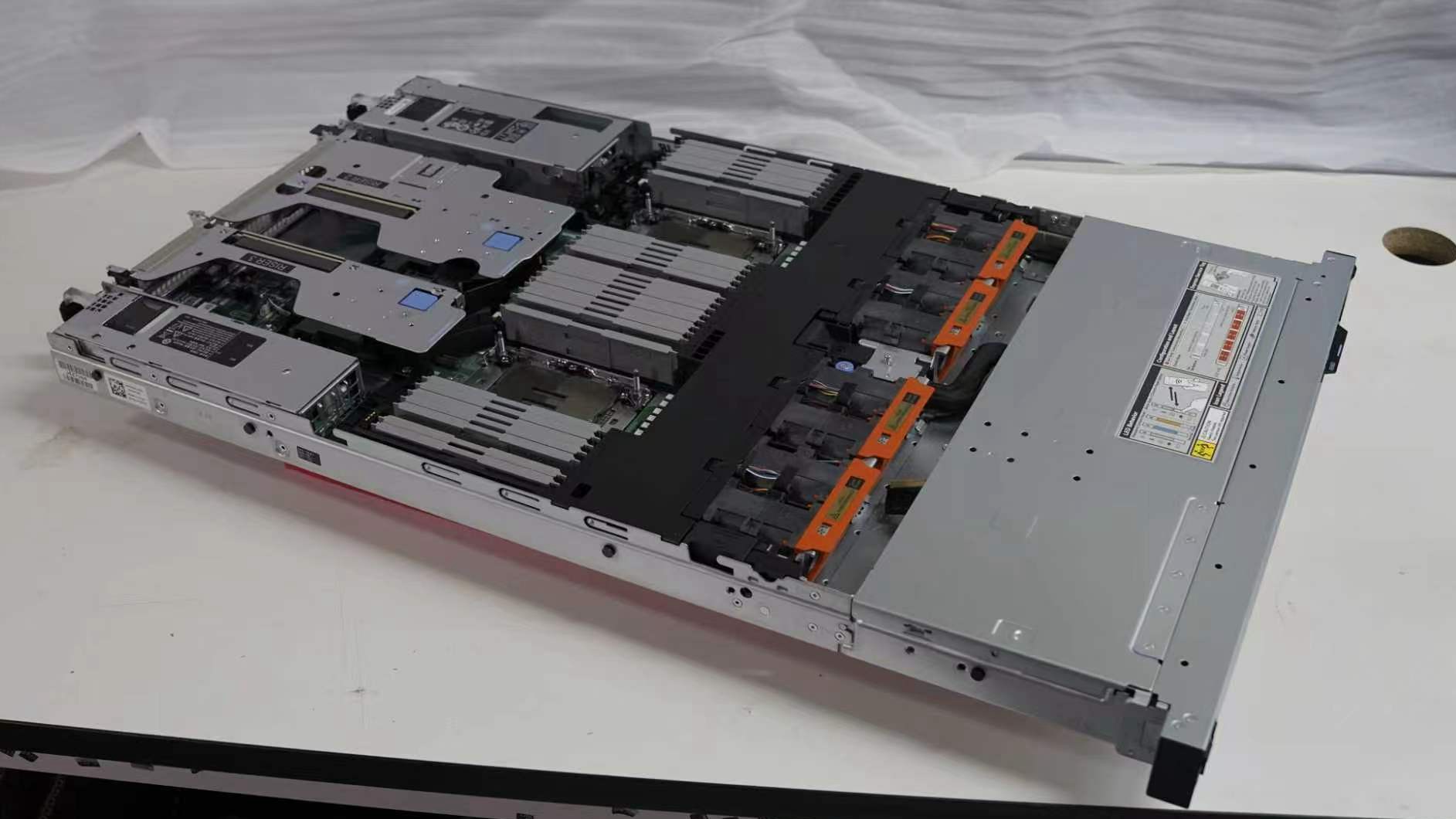
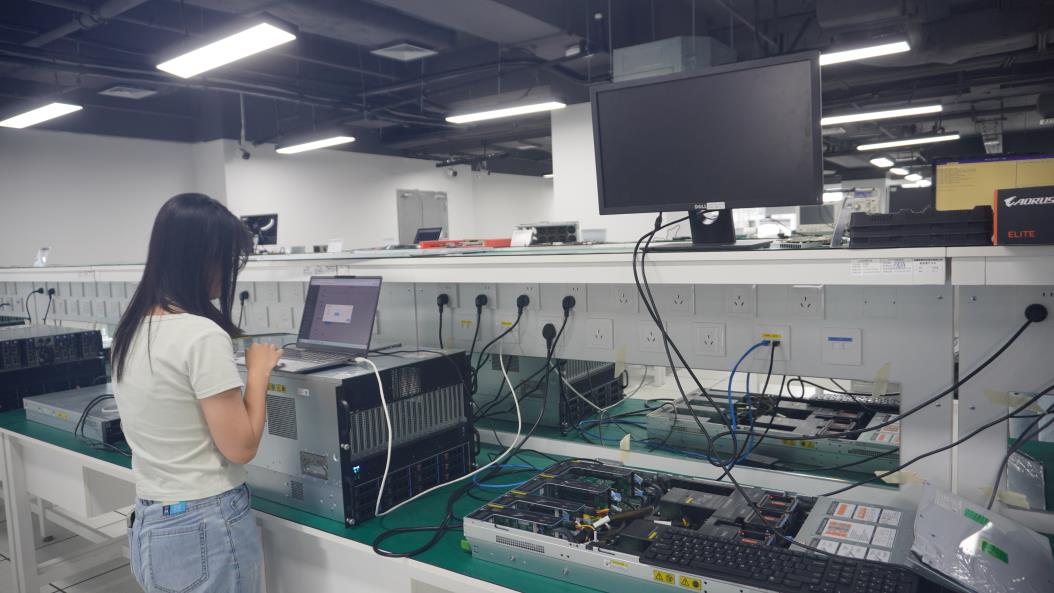
A central pillar of Dorelink's engineering authority is our compatibility laboratory. We test our modules against real-world hardware deployments, verifying that EEPROM configurations match host expectations precisely.
Understanding next-gen trends: the transition from 10G/25G to 100G+ Multi-mode systems.
Traditional multi-mode SFP modules rely on NRZ (Non-Return-to-Zero) encoding, which handles speeds up to 25Gbps per channel. As networks transition to 50Gbps and 100Gbps, PAM4 (Pulse Amplitude Modulation 4-Level) becomes essential. PAM4 transmits two bits per clock cycle, doubling the data rate without requiring twice the bandwidth. This technology enables higher-density fiber networks at lower relative costs.
SWDM allows data center operators to increase capacity over existing OM3/OM4/OM5 fiber runs. By multiplexing multiple optical wavelengths (e.g., 850nm, 880nm, 910nm, and 940nm) over a single multi-mode fiber, SWDM4 modules support 100G transmission rates. This allows networks to scale up without needing to install additional fiber runs.
Energy consumption is a major concern for modern data centers. Next-generation transceivers are designed to reduce thermal output, drawing under 1W per 10G port. Minimizing energy waste in the transceiver circuitry helps lower the overall cooling costs for enterprise operators.
Ensuring reliable product delivery through strict regulatory compliance and robust supply chain networks.
Our products comply with international environmental and electrical safety standards, facilitating smooth clearance at global ports. We carry certifications for CE, FCC, RoHS, and REACH, ensuring safety and quality compliance for your projects.
Supported by a network of over 850 trusted supply chain partners, Dorelink maintains stable inventories of critical raw components. This reliable pipeline helps minimize lead times, even during periods of semiconductor market volatility.
We work with global freight logistics firms to offer shipping terms including EXW, FOB, CIF, and DDP. Whether you are ordering bulk components or customized modules, we handle shipping details efficiently to prevent delays.
Addressing technical details, compatibility concerns, and specifications for optical network installations.
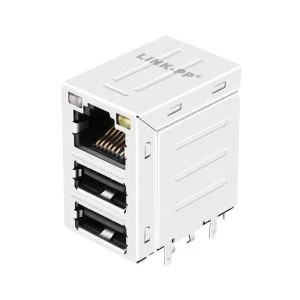
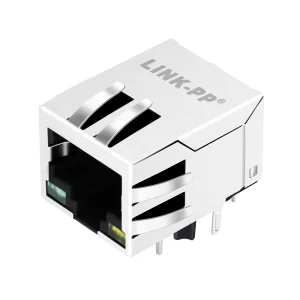
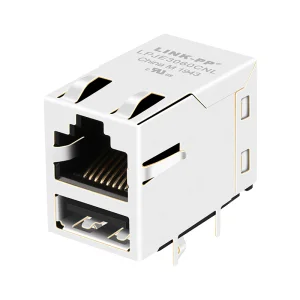
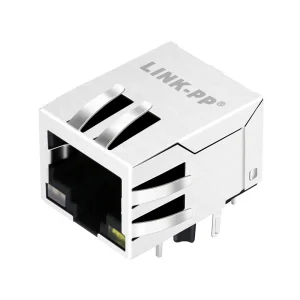
Discover our network interfaces, high-temperature RJ45 connectors, and compatible transceiver modules designed to optimize data transmission rates.
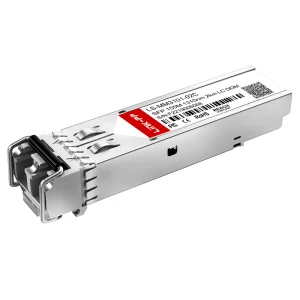
Tour our production spaces, quality control labs, and logistics centers that enable our worldwide distribution capabilities.