Dorelink
Dorelink
Dorelink
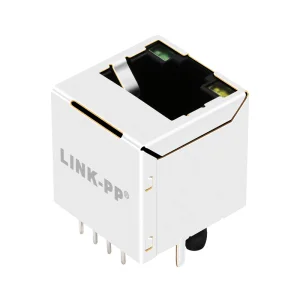
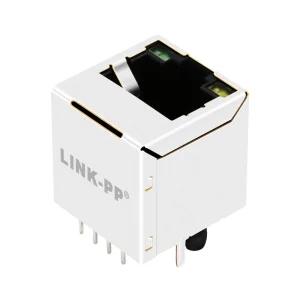
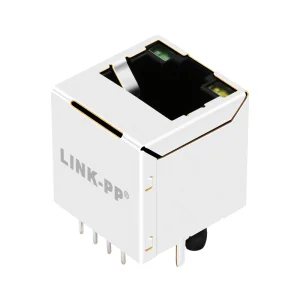
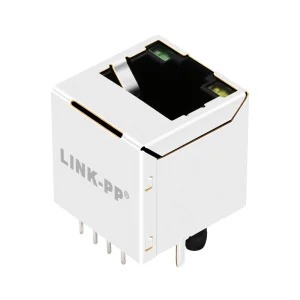
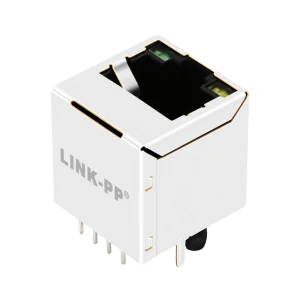
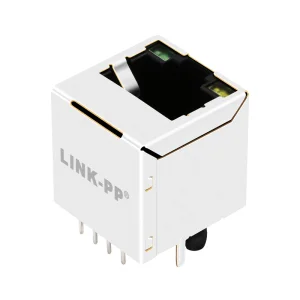
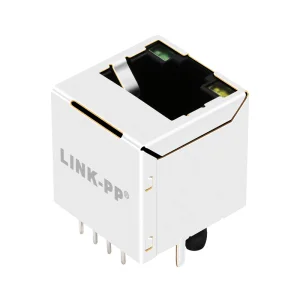
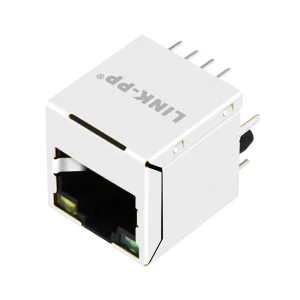
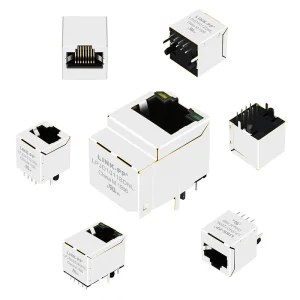
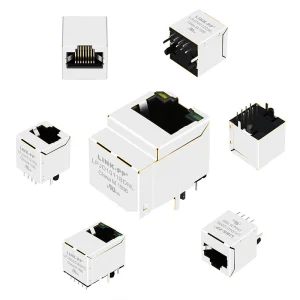
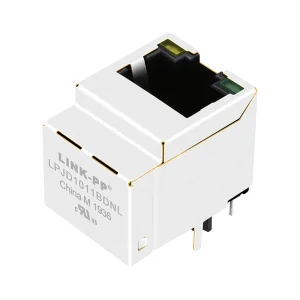
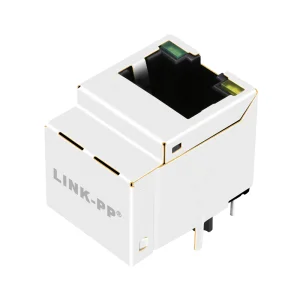
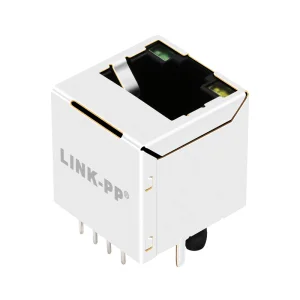
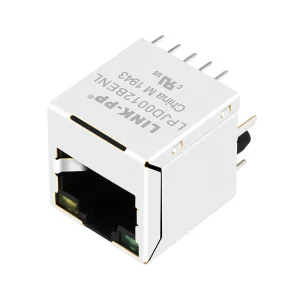
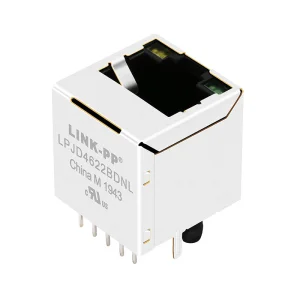
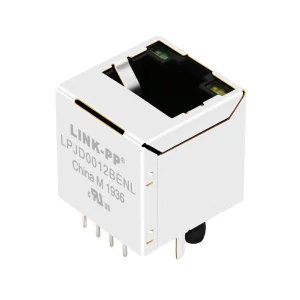
In telecommunication systems, spatial optimization on the printed circuit board (PCB) is a major design priority. The vertical RJ45 connector, also known as a top-entry RJ45 connector, provides a space-saving alternative to standard right-angle layouts. By positioning the plug-in interface perpendicular to the PCB surface, vertical jacks save valuable board footprint, allowing design engineers to place adjacent components closer together.
When selecting a vertical RJ45 female connector, hardware designers must choose between two main configurations:
| Parameters | Standard Right-Angle RJ45 | Vertical (Top-Entry) RJ45 | Key Advantage |
|---|---|---|---|
| PCB Footprint Area | Large (~15mm x 20mm horizontal) | Compact (~16mm x 16mm vertical) | Up to 35% board space savings |
| Insertion Force Vector | Parallel to PCB (Shear strain) | Perpendicular to PCB (Vertical compression) | Zero structural flexing on solder joints |
| Air Flow Profile | Blocks horizontal chassis airflow | Streamlined vertical profile | Improved system thermal management |
| EMI Wave Exposure | Susceptible through large horizontal shield | Minimized vertical cross-section exposure | Enhanced EMI resilience |
Industrial automation, enterprise networking, and IoT devices are demanding smaller form factors and higher speeds. Across Europe, North America, and emerging manufacturing hubs in Asia-Pacific, industrial computers (IPC), programmable logic controllers (PLC), and smart grid switches are transitioning to vertical layouts. Vertical RJ45 connectors allow ports to be routed directly out the top or front panels of thin, DIN-rail mounted devices, making cable management easier in tight enclosures.
In data center rack architectures, the vertical orientation supports advanced cooling strategies. Standard horizontal RJ45 configurations can block internal airflow, while vertical connections help maintain open paths for chassis cooling. The surge in edge computing nodes has also increased demand for specialized top-entry RJ45 connectors with integrated transient voltage suppression (TVS) diodes and LED status indicators, which provide real-time diagnostic feedback in high-density environments.
Vertical jacks enable ultra-high density setups in rackmount blade chassis, supporting data speeds up to 10GBASE-T while saving space on backplanes.
DIN-rail systems require vertical port orientations to fit within slim enclosures. Shielded connectors prevent signal interference in electrically noisy factory environments.
Power over Ethernet (PoE) uses specific vertical jacks to deliver up to 90W of DC power (IEEE 802.3bt) alongside gigabit signals to smart building devices.
A high-performance vertical RJ45 jack must maintain signal integrity under electrical noise and high frequencies. Below are the key engineering specifications that define our vertical product line:
As transmission speeds move from 100 Base-T to Gigabit Ethernet (1000 Base-T) and 10GBASE-T, internal crosstalk (NEXT and FEXT) becomes a primary design concern. By using optimized internal pin layouts and shielding, vertical jacks keep insertion loss below -1.0 dB across the signal spectrum, ensuring clean transmissions even at high frequencies.
Integrated magnetics protect delicate silicon PHY transceivers from voltage surges, common-mode noise, and ground loops. According to IEEE 802.3 standards, ethernet interfaces must withstand 1,500V AC isolation tests. Our integrated magnetic connectors feature high-grade toroidal cores wrapped in custom wire configurations, ensuring complete electrical isolation and robust surge protection.
Power over Ethernet (PoE) delivers DC current through standard Ethernet cables. Since this current passes through the connector pin contacts, it generates heat. Selecting vertical jacks with at least 30 micro-inches (or optionally 50 micro-inches) of gold plating over copper alloy contacts prevents contact degradation, keeps contact resistance under 20mΩ, and handles power loads up to PoE++ (90W) without overheating.
Founded in 2016, Dorelink Optical Communications Co., Ltd. is a leading manufacturer of advanced network connectivity components and high-speed communication products. Serving enterprise networking, industrial automation, and telecommunication partners worldwide, Dorelink has established itself as a reliable supplier of high-quality solutions.
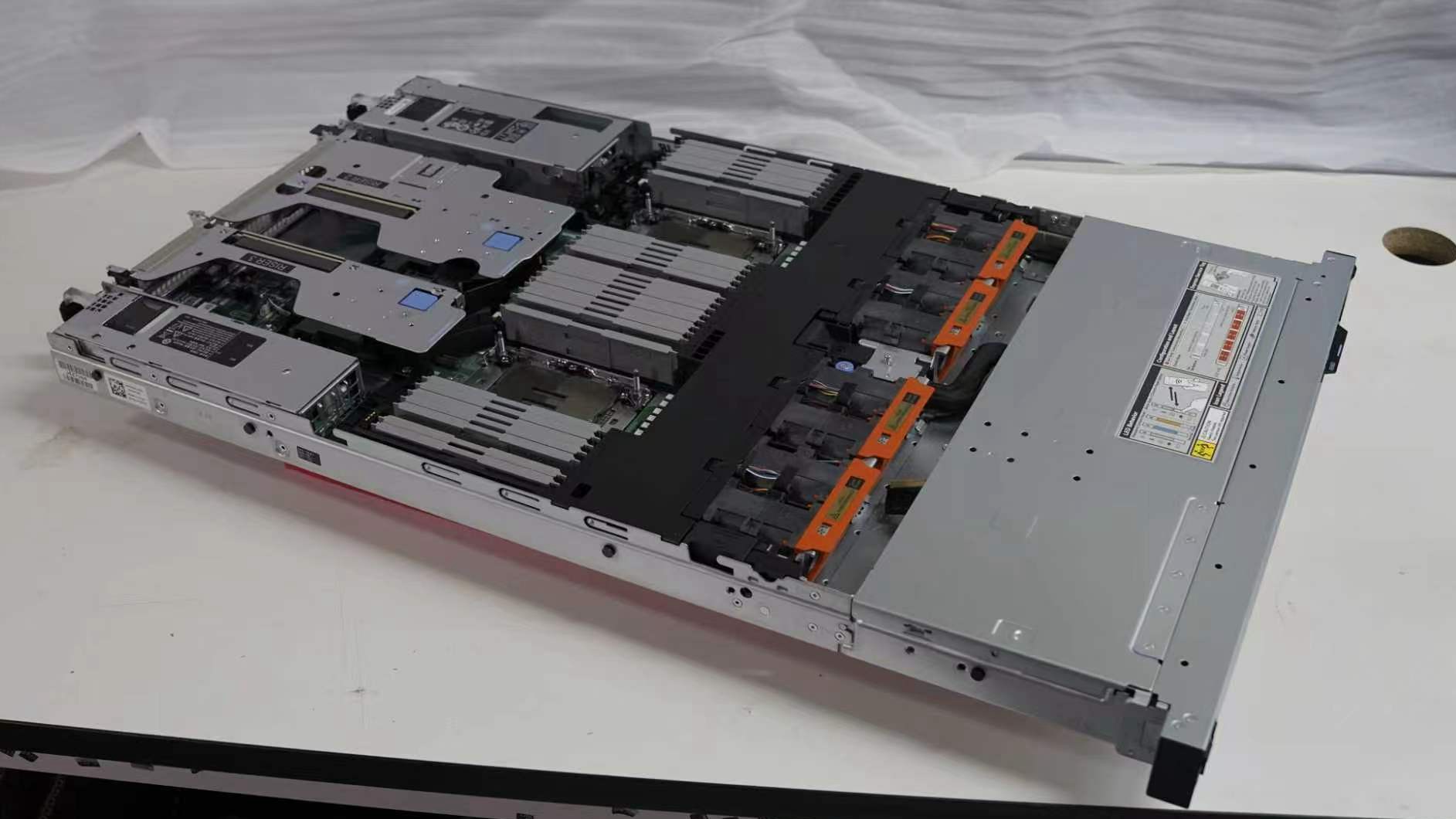
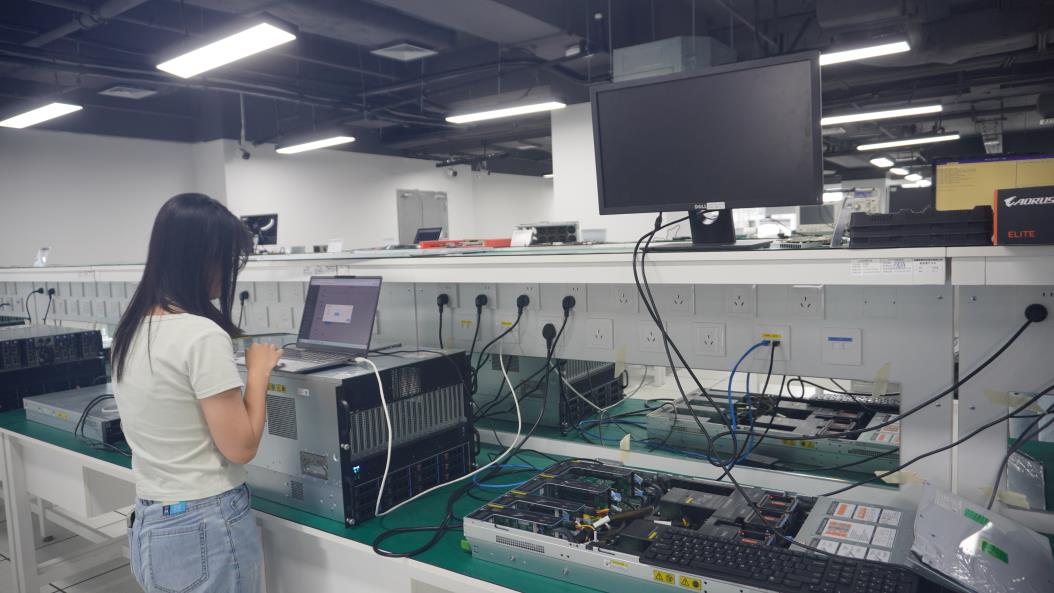
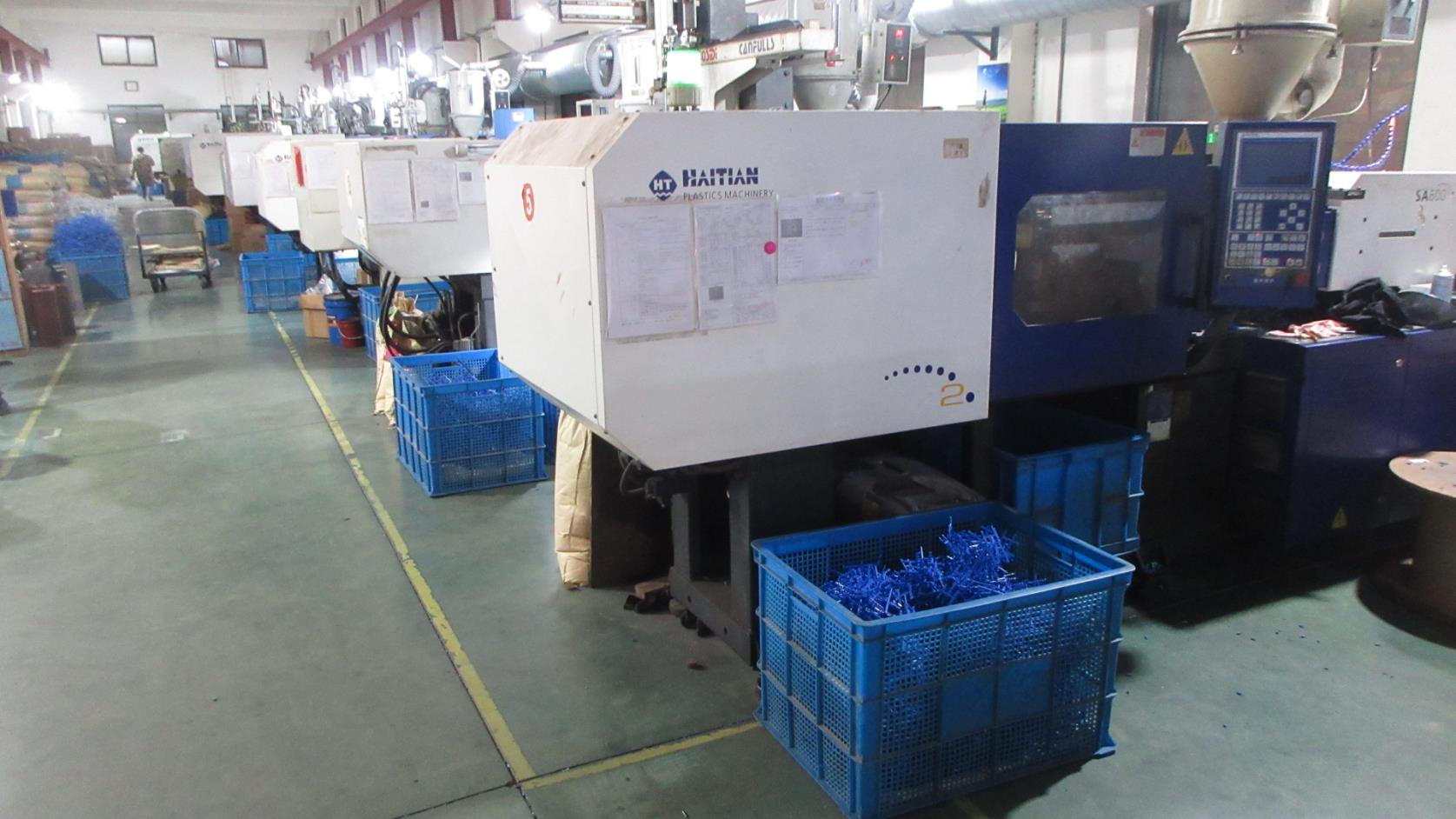
With an 18,500 square meter state-of-the-art facility, Dorelink combines raw material procurement, high-precision injection molding, automated contact placement, and rigorous testing under one roof. Our experienced engineering team works closely with customers to deliver standard and customized vertical RJ45 jacks built to international standards.
Our quality management system is structured to ensure that every connector performs reliably in the field. From inspection of incoming raw materials to final functional testing, we maintain high standards at every stage of production:


The field of industrial connectivity is evolving rapidly. While the vertical 8P8C (RJ45) remains the standard for enterprise and legacy industrial networking, emerging technologies are shifting toward even smaller footprints. Key trends shaping our future development include:
Single-Pair Ethernet (SPE) uses a single twisted pair of copper wires to transmit data and power (PoDL - Power over Data Line) over long distances. Suitable for sensor arrays and actuators, SPE connectors can reduce cabling weight by up to 50% and footprint by 75% compared to standard RJ45 systems. Our engineering team is developing vertical SPE connectors to support this emerging standard.
With data requirements increasing, connectors must handle higher speeds without compromising signal integrity. Dorelink is investing in vertical RJ45 jacks designed to meet Category 6A (Cat6A) specifications. These connectors support frequencies up to 500 MHz and transmission speeds of 10 Gbps, featuring advanced internal crosstalk mitigation and enhanced shielding structures.
Modern networks deliver more than just data. As PoE devices demand more power, connectors must handle higher currents without overheating. Our next-generation vertical jacks feature heavy-duty pins and optimized thermal routing to support PoE++ (Type 4) applications, safely delivering up to 90W of power to connected hardware.