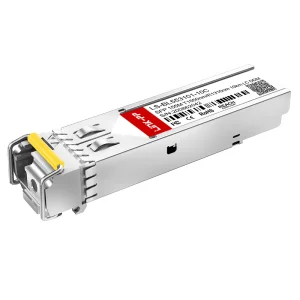
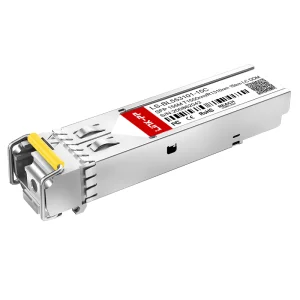
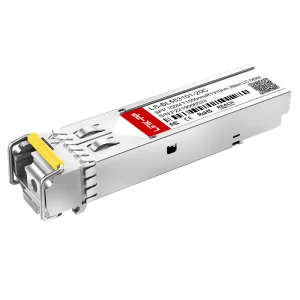
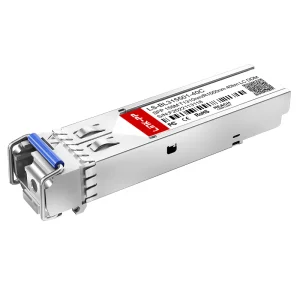
Dorelink
Dorelink
Dorelink
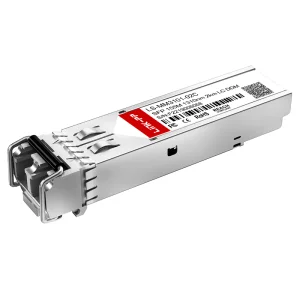
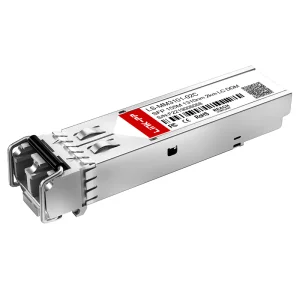
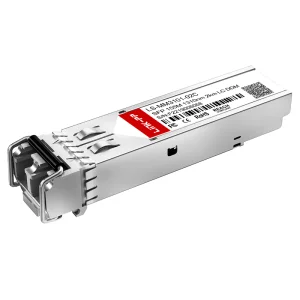
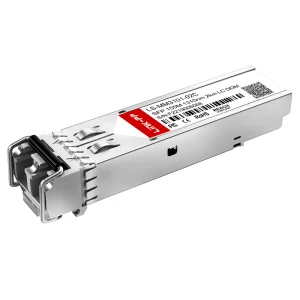
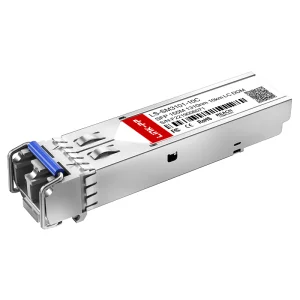
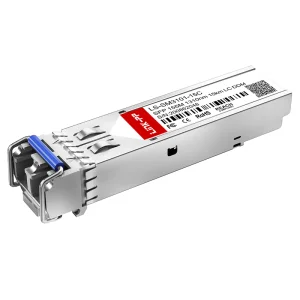
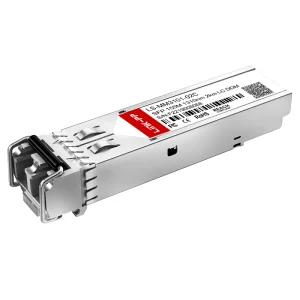
While the headlines of the optical industry are dominated by 400G and 800G breakthroughs, the backbone of industrial automation, telecommunications legacy systems, and metro access networks remains firmly rooted in the reliability of 155M (Fast Ethernet/STM-1) and 622M (STM-4) SFP modules. As a leading manufacturer, Dorelink Optical Communications understands that these modules are not "legacy" in terms of importance, but rather "foundational" in terms of stability.
In the era of semantic search, search engines prioritize content that demonstrates E-E-A-T (Experience, Expertise, Authoritativeness, and Trustworthiness). Our 12 years of industry experience and 18,500㎡ manufacturing facility serve as the bedrock of this expertise. These lower-speed transceivers are specifically engineered for environments where signal integrity over long distances and resistance to harsh electromagnetic interference (EMI) are prioritized over raw bandwidth.
155M and 622M SFP modules find their home in specialized sectors where failure is not an option:
Our R&D team has mastered the EEPROM coding required to ensure 100% compatibility with global brands like Hirschmann, Moxa, Cisco, and Juniper. We utilize sophisticated signal integrity testing to ensure our "Compatible" modules outperform OEM standards.
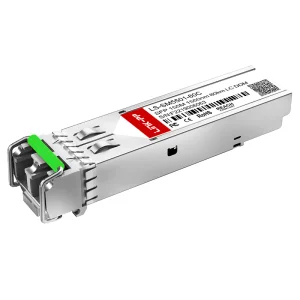
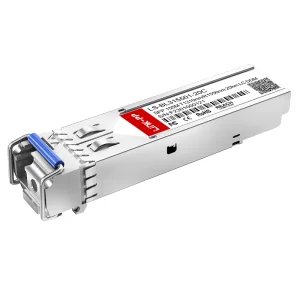
While standard SFPs reach 2km or 20km, Dorelink specializes in 155M 80km, 120km, and even 160km modules, utilizing high-sensitivity APD (Avalanche Photodiode) receivers and DFB lasers to bridge massive distances without repeaters.
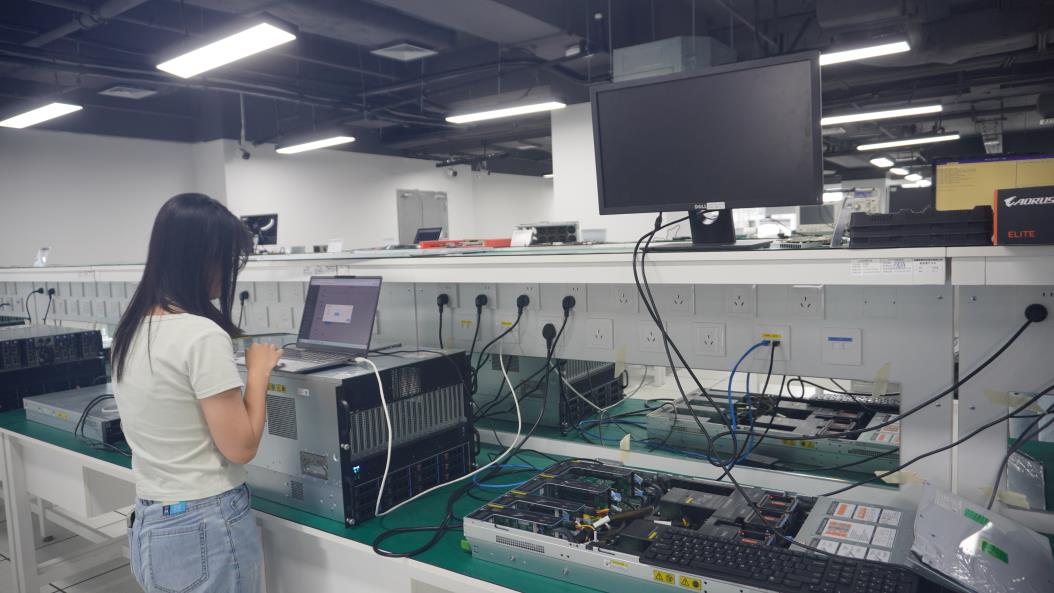
For outdoor and industrial deployments, our modules undergo rigorous "Aging Testing" in thermal chambers to guarantee performance from the Arctic to the Sahara, far exceeding commercial-grade tolerances.
The future of 155M/622M modules lies in Integration and Intelligence. Modern modules now feature DDM (Digital Diagnostic Monitoring), allowing network administrators to monitor real-time parameters like optical output power, input power, temperature, and supply voltage. At Dorelink, our roadmap includes the miniaturization of these components to support higher density line cards while maintaining the thermal efficiency required for fanless industrial switches.
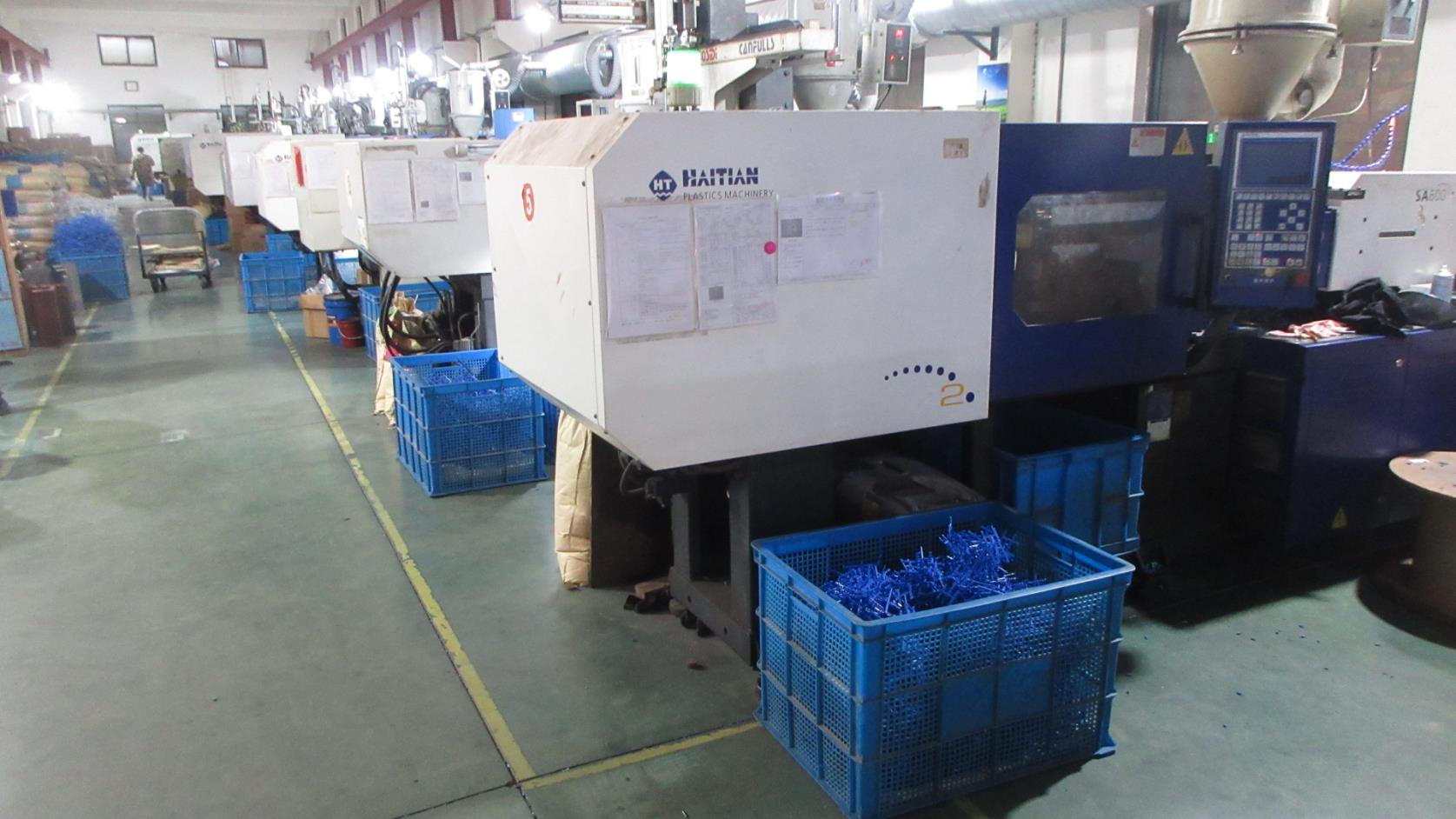
The global semiconductor landscape has faced unprecedented challenges. However, the Chinese optical supply chain, led by clusters in Shenzhen and Wuhan, has demonstrated remarkable resilience. Dorelink’s 18,500㎡ factory is strategically positioned to leverage this ecosystem.
Supply Chain Integration: With over 850 long-term supply chain partners, we maintain a robust inventory of critical components (Lasers, TOSA/ROSA, ICs), shielding our global customers from the volatile lead times common in the industry. This vertical integration allows us to release over 85 innovative optical transceiver models annually.

Exporting to North America, Europe, and Southeast Asia requires more than just a good product; it requires a deep understanding of regulatory frameworks. Dorelink ensures all 155M/622M SFP modules are RoHS compliant, CE certified, and FCC approved.
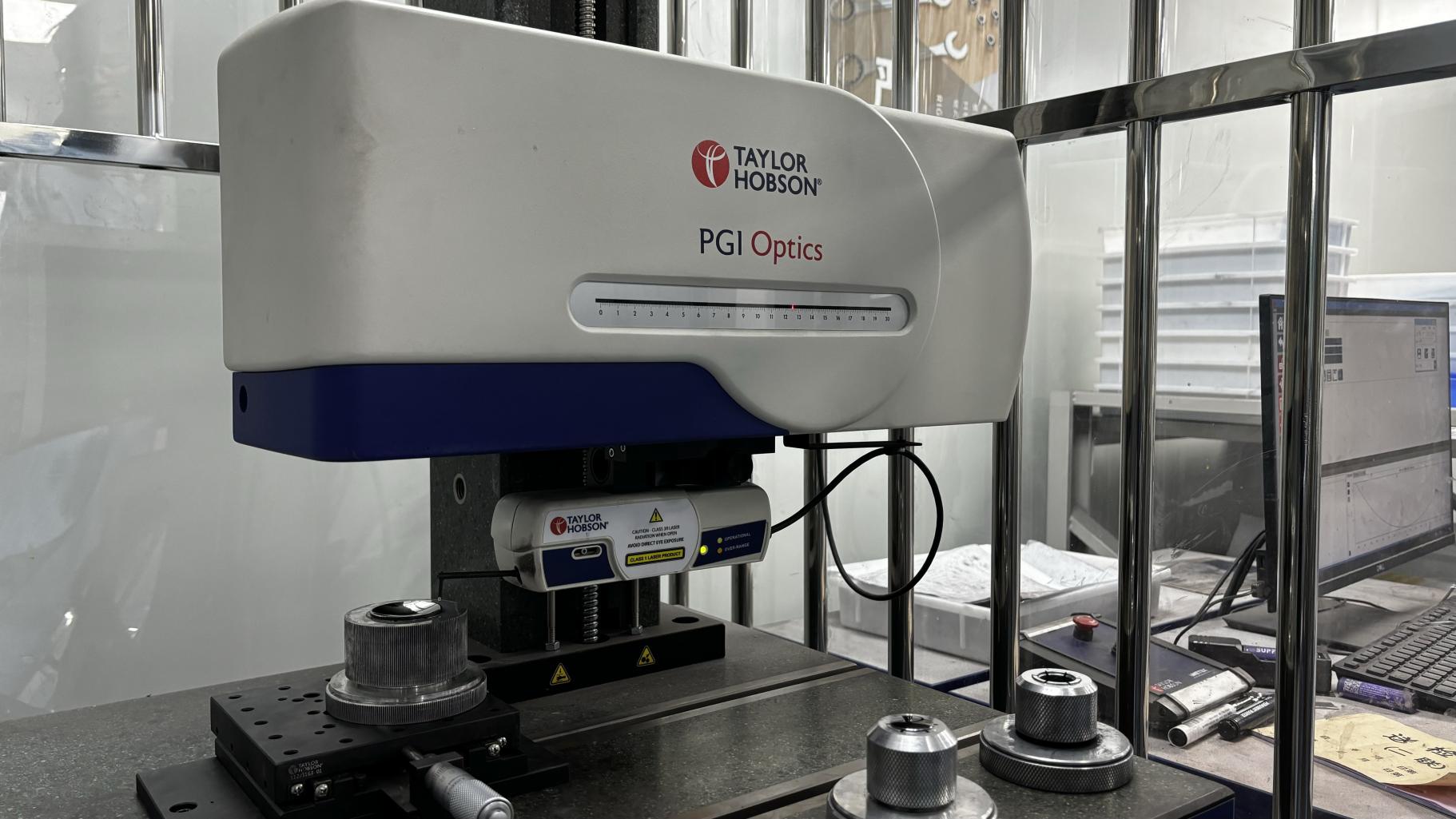
Our Quality Control Matrix:
Yes, we specialize in high-fidelity compatibility. Our modules are specifically coded and hardware-tested to meet the rigorous EEC (Extended Environmental Conditions) requirements often found in industrial Hirschmann and Moxa hardware.
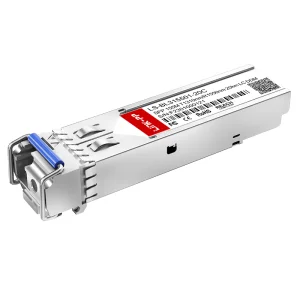
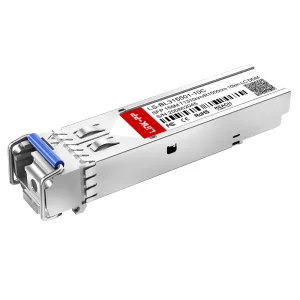
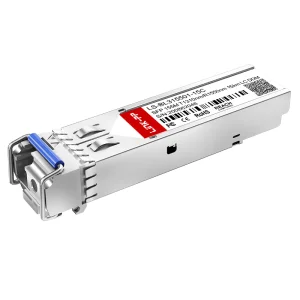
BiDi (Bidirectional) SFPs allow for data transmission in both directions over a single fiber strand using WDM technology (e.g., 1310nm/1550nm). This can halve your fiber infrastructure costs, especially in long-range deployments up to 40km.
Absolutely. With 120 R&D engineers, we can customize the EEPROM content, DDM thresholds, and even hardware specifications for OEM/ODM projects requiring non-standard SFP implementations.
Thanks to our 18,500㎡ facility and massive component inventory, most standard orders are processed within 1-2 weeks, significantly faster than the industry average.