Dorelink
Dorelink
Dorelink
Engineered for deterministic performance and low latency in automotive testing grounds and connected vehicle ecosystems.
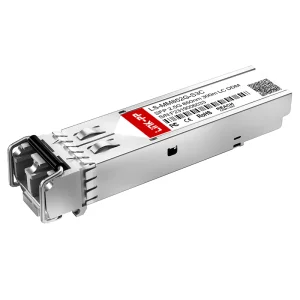
As the historic center of the global automotive industry, Detroit and the broader Michigan industrial corridor are undergoing a historic transformation. The rise of Electric Vehicles (EVs), autonomous driving test facilities (such as Mcity and the American Center for Mobility), and AI-driven smart manufacturing plants require an unprecedented level of data throughput. In these modern environments, traditional 1G (Gigabit) Ethernet interfaces create bottlenecks, while deploying full 10G networks presents cost and power challenges. This has established 2.5G to 6G SFP optical transceiver modules as the standard for local system integrators and networks.
In Detroit's automotive testing centers, real-time telemetry from thousands of sensors during crash tests or track trials relies on robust fiber optic backbones. Similarly, assembly lines rely on Time-Sensitive Networking (TSN) to synchronize heavy robotics with milliseconds of latency. Dorelink's SFP transceivers, covering 2.5G, 5G, and 6G options, deliver the exact bandwidth, low power consumption, and mechanical reliability demanded by automotive engineers and industrial network designers across Southeast Michigan.
Designed to operate in extreme factory floor temperatures ranging from -40°C to 85°C, ensuring reliability in robotic cells and engine testing cells.
Critical for automotive ADAS simulations, machine vision inspections, and distributed control networks requiring deterministic latency profiles.
Fully compliant with MSA (Multi-Source Agreement) guidelines, making them compatible with legacy enterprise switches and industrial PLCs.
Globally, telecom operators, enterprise data centers, and advanced manufacturing consortia are optimizing their networks by utilizing 2.5G and 5G/6G standards. In the past, the industry faced a binary choice: remain on cost-effective but slow 1G networks, or invest in expensive 10G SFP+ switch upgrades and optical fibers. The development of Multi-Gigabit Ethernet (IEEE 802.3bz) bridged this gap. 2.5G SFP transceivers allow enterprise networks to run at 2.5 times the speed over existing Cat5e or standard OM3 multimode fiber, saving millions in infrastructure overhaul costs.
For global procurement managers supplying facilities in Detroit and similar manufacturing hubs, sourcing reliable SFP modules involves strict compliance standards. High-density server cabinets require low power consumption (typically under 1.0W per transceiver) to minimize cooling requirements. Additionally, integrated Digital Diagnostics Monitoring (DDM/DOM) allows remote monitoring of laser bias current, receiver power, operating temperature, and voltage, enabling proactive maintenance before network downtime occurs.
"For modern automotive manufacturing, network downtime is measured in thousands of dollars per minute. Integrating SFP transceivers equipped with DDM enables predictive diagnostic alerts, preventing fiber link failures before they happen." – Dorelink Technical Engineering Team
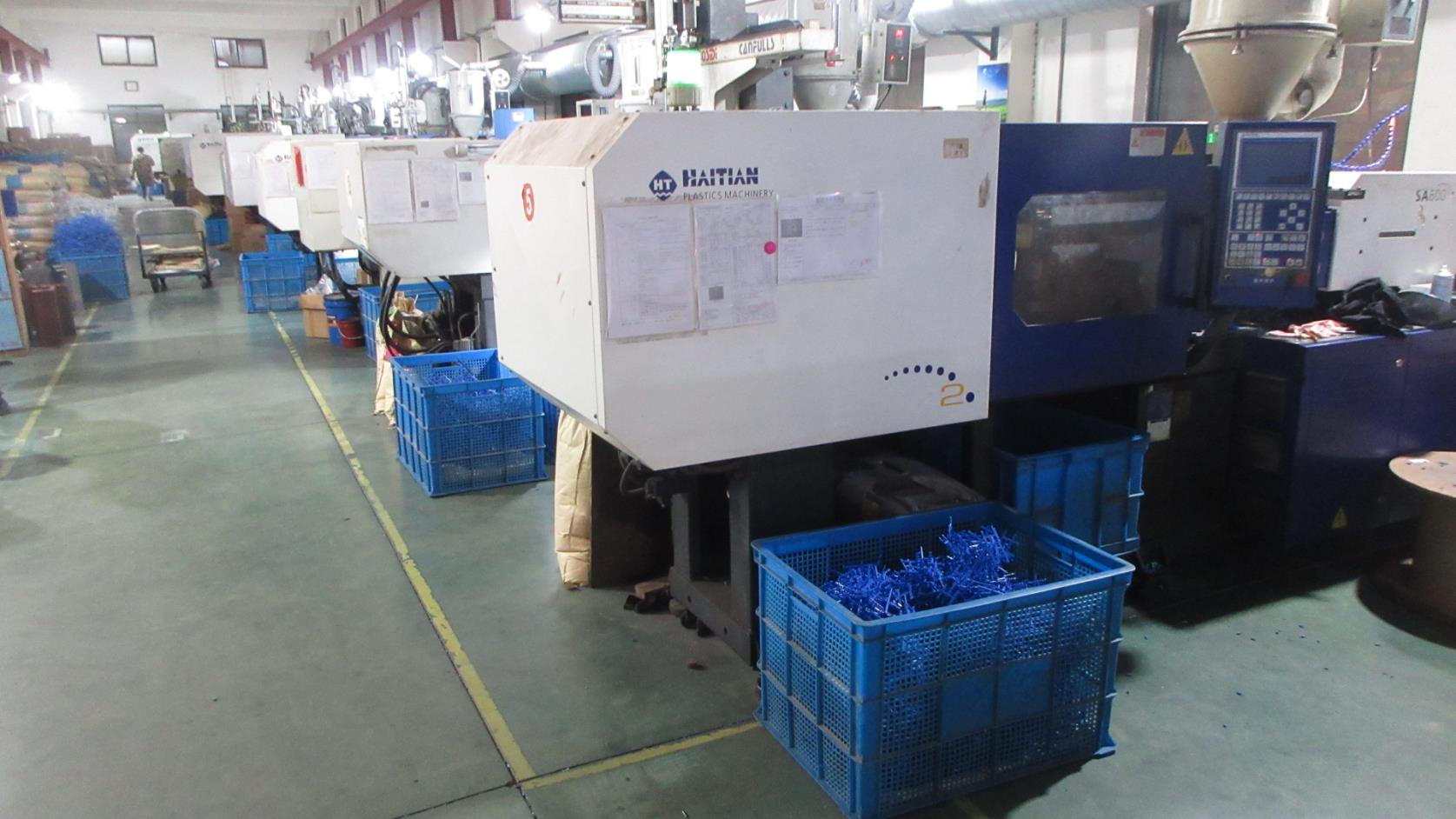
Established in 2016, Dorelink Optical Communications Co., Ltd. has developed into a tier-1 global manufacturer of optical modules. Over 12 years of specialized industry experience enables us to deliver highly customized solutions for demanding enterprise environments. Our production facility in China spans 18,500㎡, featuring automated production and testing lines that ensure quality and high yields.
Manufacturing Area
R&D Engineers
Annual Export Value
Dedicated QC Specialists
With an annual export revenue reaching USD 18 million, Dorelink serves clients across North America, Europe, and Southeast Asia. We support Detroit-based system integrators, automotive OEMs, and telecom subcontractors with scalable OEM/ODM options. Our engineering team can configure custom EEPROM firmware codes to ensure compatibility with switches from Cisco, Juniper, Arista, Ciena, Ubiquiti, and other mainstream brands.
As the telecommunications sector deploys 5G Advanced and initiates research into 6G, SFP transceiver requirements are changing. CPRI (Common Public Radio Interface) and eCPRI standards require transceivers to support bandwidths from 2.457 Gbps up to 6.144 Gbps and beyond. For industrial 5G private networks (often deployed inside automotive plants for wireless AGV control), 2.5G to 6G SFP modules form the link between Remote Radio Heads (RRH) and Baseband Units (BBU).
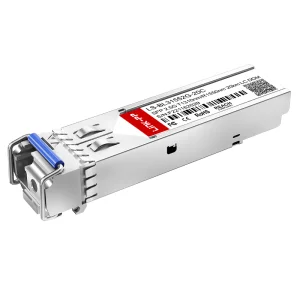
Dorelink’s research and development roadmap focuses on high-speed, long-distance BiDi (Bidirectional) and DWDM (Dense Wavelength Division Multiplexing) solutions. By using Wavelength Division Multiplexing, our BiDi transceivers allow dual-way communication over a single fiber core. This effectively doubles fiber capacity without the cost of running additional cables through congested plant ductwork.
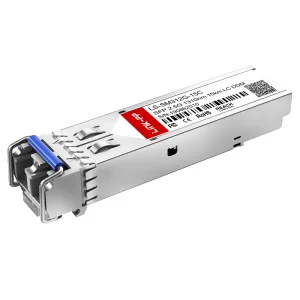
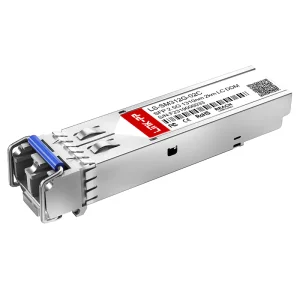
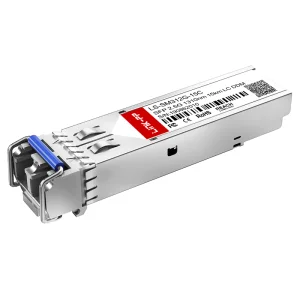
Select from our range of single-mode and multi-mode SFP transceivers, featuring diverse wavelengths and distance ratings.
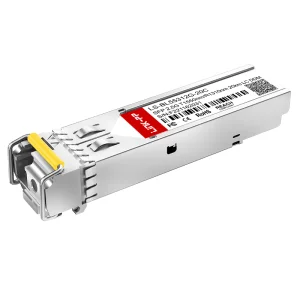
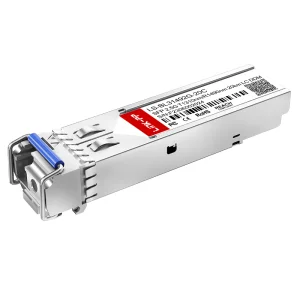
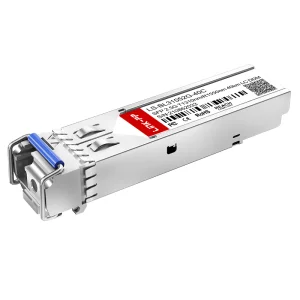
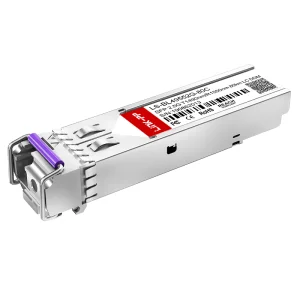
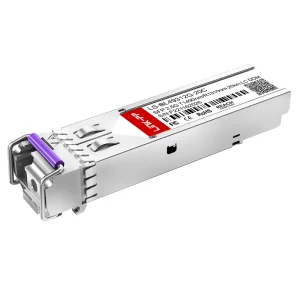
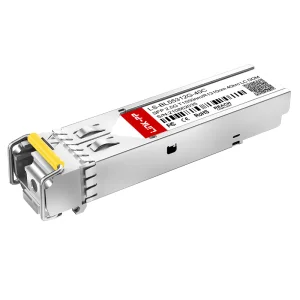
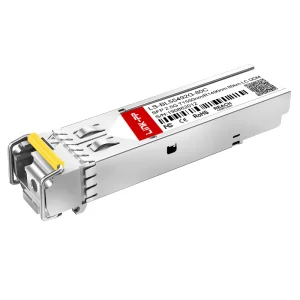
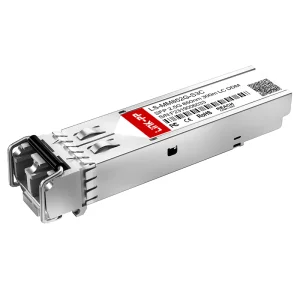
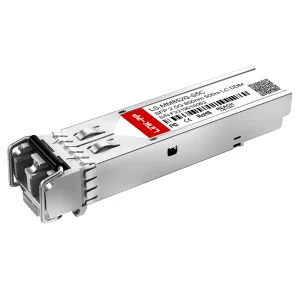
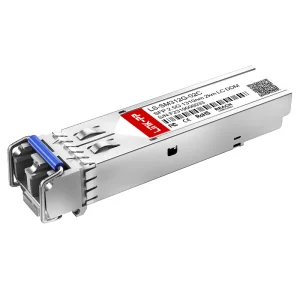
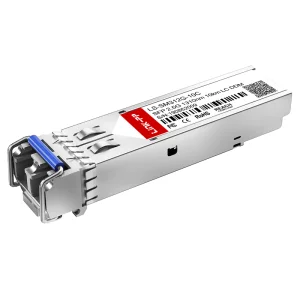
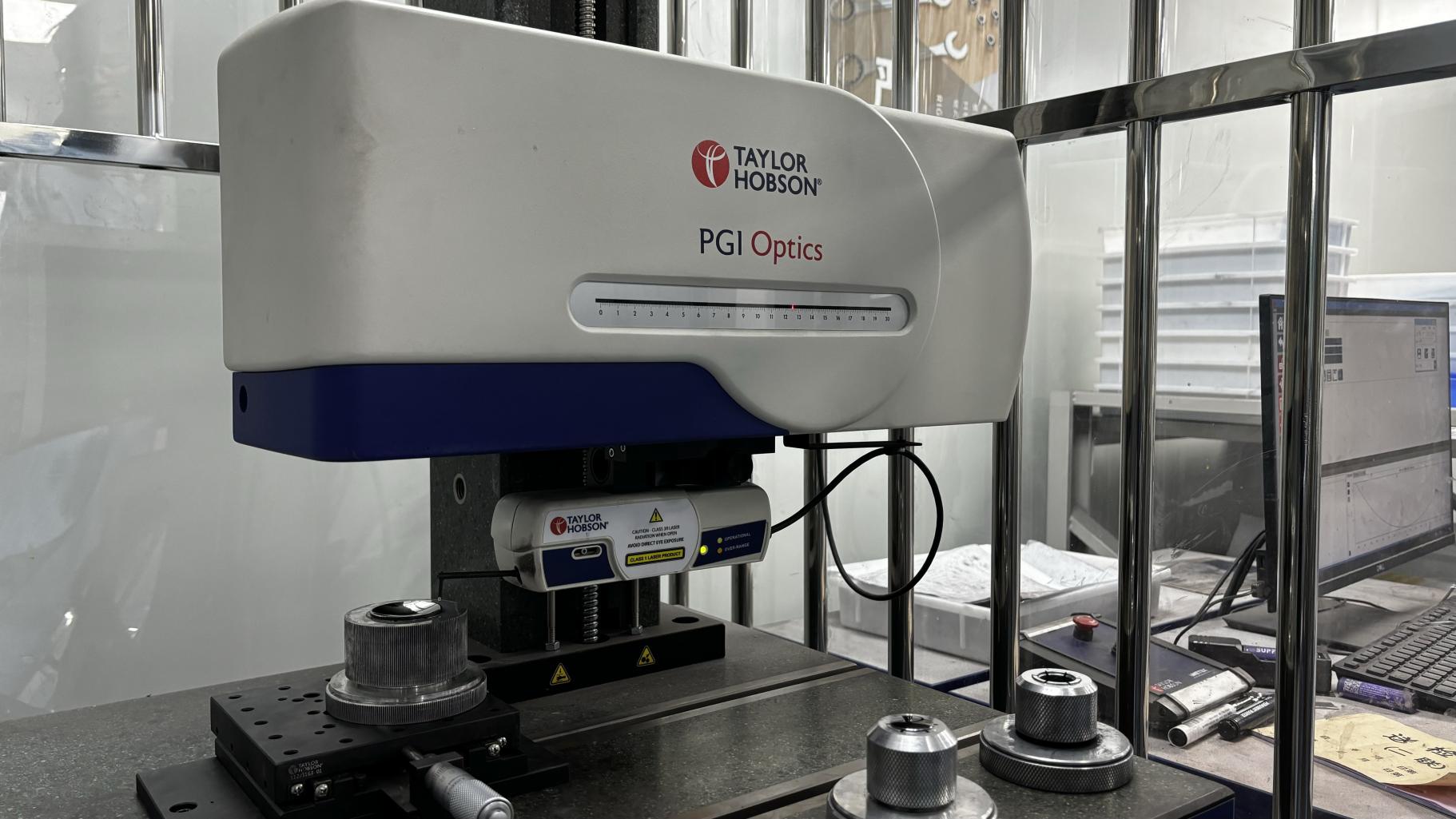
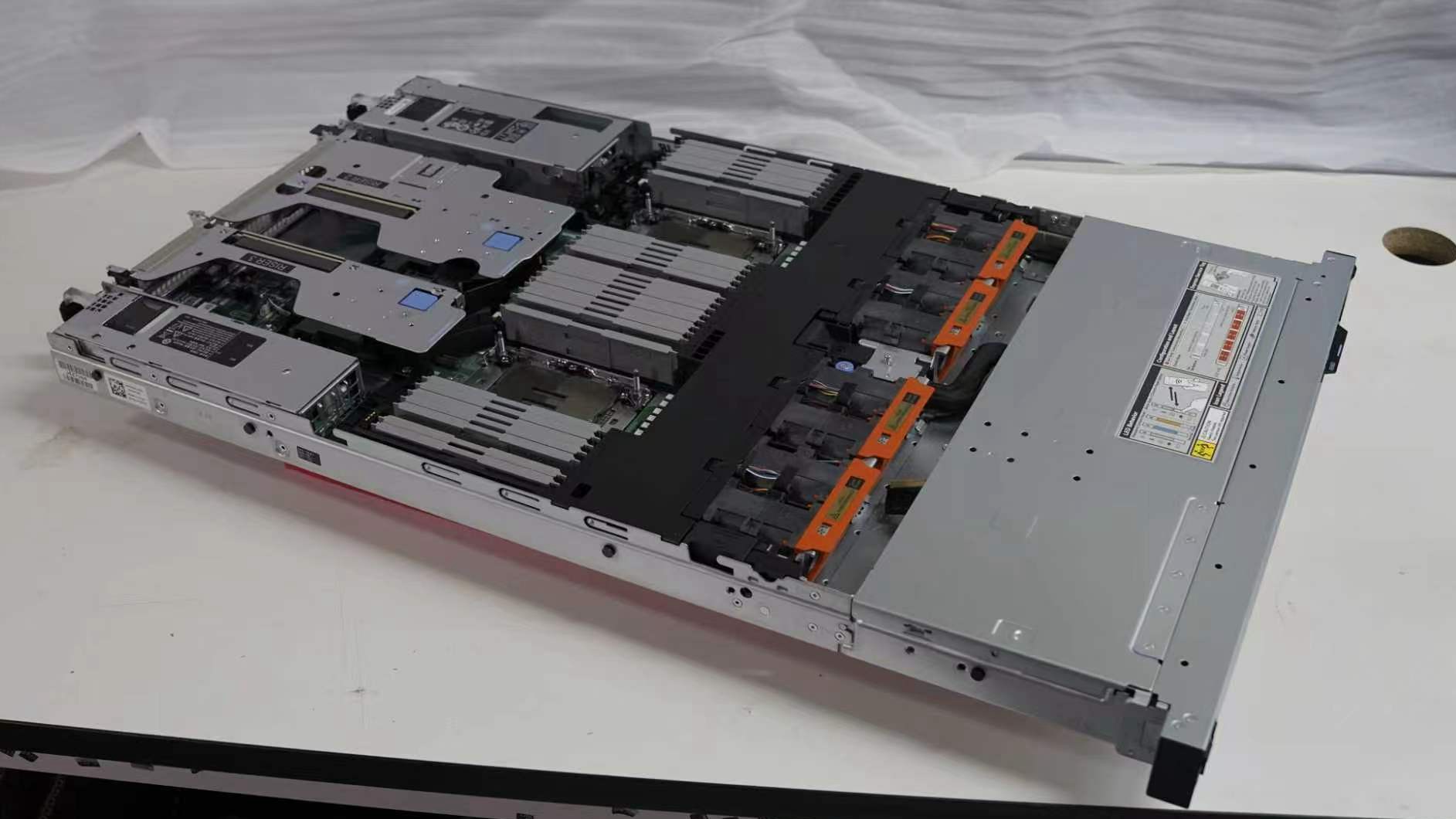
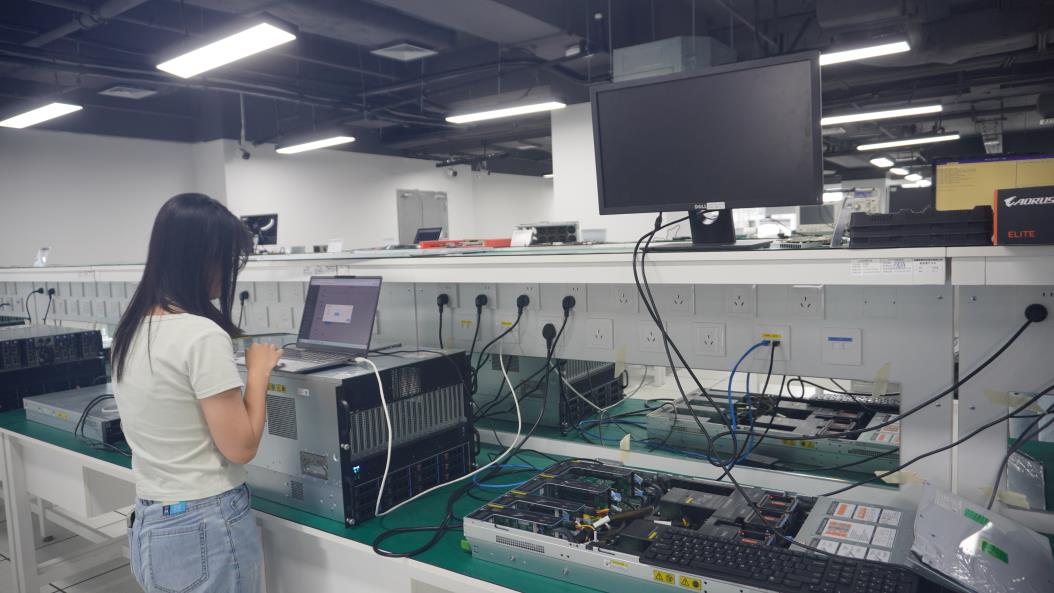
Dorelink operates a state-of-the-art optical module manufacturing facility designed to meet international standards. Each transceiver undergoes a series of rigorous performance tests and compatibility checks to ensure field reliability. Our 45 quality control personnel verify every unit to meet MSA specifications and custom system profiles.
Our quality control process is integrated into every stage of production:

Purchasing optical components for networks in the United States requires compliance with local regulations and international industry standards. Dorelink provides full compliance certifications to meet federal and state procurement guidelines:
To support the Detroit metropolitan region, Dorelink provides direct technical consultation for local system integrators. We support prototyping runs, compatibility testing with legacy switches, and custom branding services. We maintain a robust component supply chain, ensuring short lead times for high-volume orders.
Q1: Can SFP modules designed for 2.5G operate in standard 1G SFP ports?
A1: It depends on the switch's hardware capability. Many modern switches feature multi-rate ports that auto-negotiate between 1G, 2.5G, and 10G speeds. However, some older legacy 1G ports may not recognize a 2.5G transceiver unless the switch firmware supports manual configuration. We recommend confirming port rate compatibility with our engineers prior to ordering.
Q2: How does Digital Diagnostics Monitoring (DDM/DOM) benefit industrial automation?
A2: DDM provides real-time access to key transceiver parameters, including optical output power, optical input power, temperature, laser bias current, and transceiver supply voltage. In high-power factory environments like Detroit's automotive assembly floors, DDM allows technicians to monitor transceiver status remotely, preventing unexpected fiber link failures caused by overheating or laser degradation.
Q3: What is the advantage of using BiDi (Bidirectional) SFP modules?
A3: BiDi modules utilize Wavelength Division Multiplexing (WDM) to transmit and receive data on different wavelengths over a single strand of fiber (e.g., 1310nm-TX and 1550nm-RX). This doubles your fiber capacity without the need to install new physical fiber optic cables, providing a cost-effective solution for fiber-scarce network layouts.
Q4: Are Dorelink transceivers compatible with Cisco and Arista network switches?
A4: Yes. Dorelink transceivers are built to comply with MSA (Multi-Source Agreement) standards. We code and customize the EEPROM firmware of our SFP modules to match specific vendor protocols, ensuring compatibility with major brands like Cisco, Arista, Juniper, HP, and Ciena.
Q5: What certifications do Dorelink transceivers carry for US distribution?
A5: Our products comply with FCC Part 15 regulations for electromagnetic interference, meet CE and RoHS standards for environmental safety, and hold Laser Class 1 eye safety certification. These credentials support compliance with corporate and municipal IT procurement policies.