Dorelink
Dorelink
Dorelink
A Whitepaper on the Future of Edge Device Sourcing, Power Transmission Standards, and Optical Infrastructure Integration.
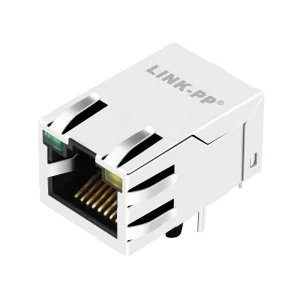
As modern networks transition to edge computing, IoT, and ultra-high-definition video surveillance, the demand for integrated data and power delivery systems has reached unprecedented heights. Power over Ethernet (PoE) technology stands at the center of this revolution, bridging the gap between hardware connectivity and electrical distribution. At Dorelink Optical Communications Co., Ltd., we understand that optimal network performance requires a synergistic relationship between physical layers—specifically, high-performance shielded magnetic RJ45 jacks, optical modules, and robust PoE injector devices.
A high-capacity PoE Injector functions as a Power Sourcing Equipment (PSE) hub, injecting direct electrical current (DC) into standard Category twisted-pair cables without degrading Ethernet data signals. Under the stringent requirements of IEEE 802.3af (PoE - 15.4W), IEEE 802.3at (PoE+ - 30W), and the advanced IEEE 802.3bt (PoE++ - up to 90W/100W) standards, manufacturers must engineer components with exceptional thermal dissipation and electromagnetic interference (EMI) suppression. This is where Dorelink's expertise in electromagnetic shielding and signal integrity directly enhances the manufacturing of PoE-compatible interfaces.
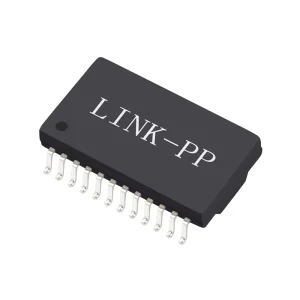
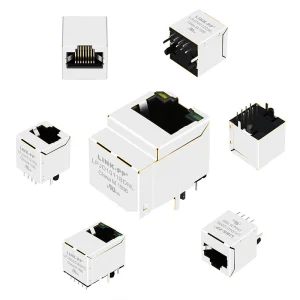
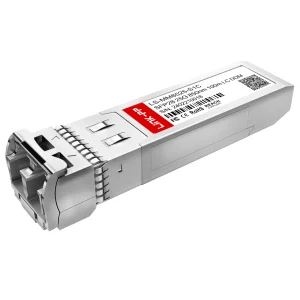
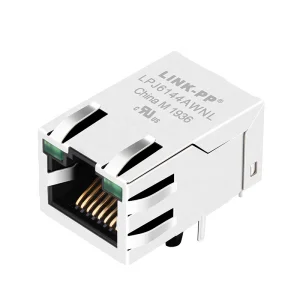
By using superior magnetic core transformers (such as our 10 Base-T and Gigabit equivalent quad-port transformer modules), signal distortion, insertion loss, and cross-talk are mitigated. This ensures that when 90W of power traverses the same copper path as high-speed data, no attenuation occurs. Simultaneously, the convergence of fiber optics and copper-based PoE is becoming the architecture of choice for municipal networks and expansive campus setups. Fiber SFP transceivers transmit data over multi-kilometer backhauls, which are terminated at SFP-enabled PoE Injectors or media converters, translating the light waves into power-injected copper signals for terminal devices like PTZ cameras, wireless access points (APs), and industrial sensors.
Analyzing the supply chain depth, R&D agility, and stringent QA protocols that define our manufacturing supremacy.
China's Pearl River Delta ecosystem enables immediate access to raw raw materials, high-frequency magnetic cores, precision plastic molds, and top-tier semiconductor chips. This guarantees reduced lead times and highly competitive pricing for bulk international shipments.
Our engineering team of 120 professionals excels in OEM/ODM modifications. Whether customizing firmware configurations, modifying physical enclosure shapes, adjusting port arrays, or adapting voltage profiles (such as 24V passive vs 48V/56V active), we deliver bespoke enterprise solutions.
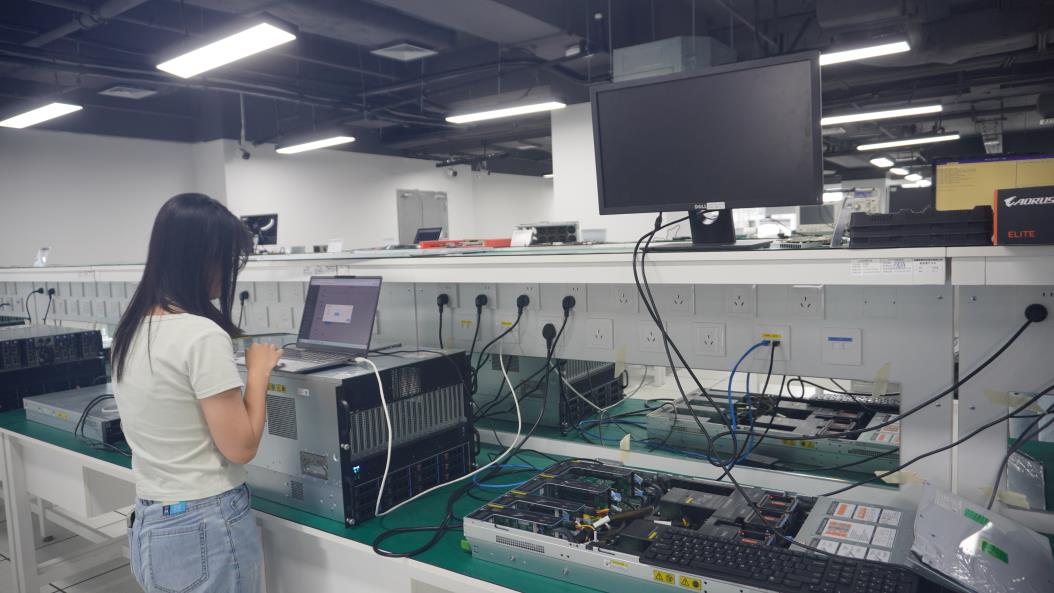
Our 45-person QC inspection team conducts Incoming Material Inspection (IQC), Process Quality Control (IPQC), Final Quality Control (FQC), and extensive Reliability Testing. Every PoE component and optical module undergoes signal integrity analysis, thermal cycling, and optical power verification.
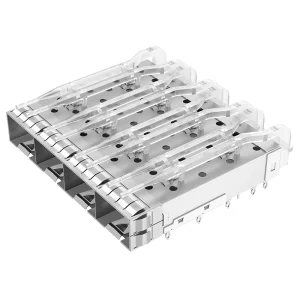
Our products undergo comprehensive hardware stress tests, ensuring compatibility with globally recognized parameters. From EMI shielding of press-fit SFP+ cages to the insulation resistance of vertical RJ45 jacks, we utilize automated testing scripts to simulate decade-long operations in harsh field conditions.
How system integrators leverage Dorelink's networking interfaces to power high-density, mission-critical operations.
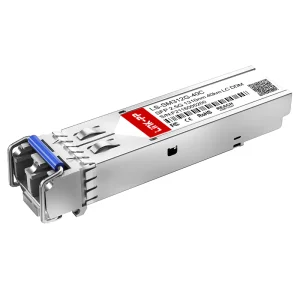
In modern urban monitoring, PTZ IP cameras with built-in heaters and wipers require high-power PoE++ (IEEE 802.3bt) supplies. Because fiber lines are deployed to transmit video streams over long distances back to central municipal data nodes, optical transceivers—like our 2.5G 40km LC Transceiver Modules—are paired with outdoor-rated PoE Injectors to bridge the fiber backhaul directly with the edge hardware.
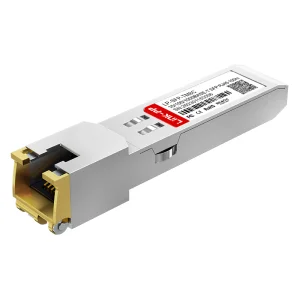
Factory environments feature massive electromagnetic interference from heavy machinery, alongside extreme temperature fluctuations. Using high-grade components like our MOXA Compatible Industrial 100m SFP Copper modules ensures continuous communication links. Industrial PoE Injectors utilizing these modular copper interfaces maintain reliable links under thermal environments ranging from -40°C to +85°C.
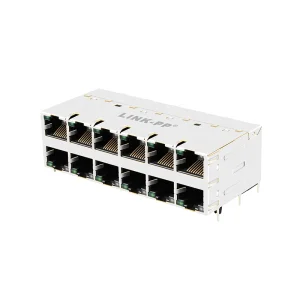
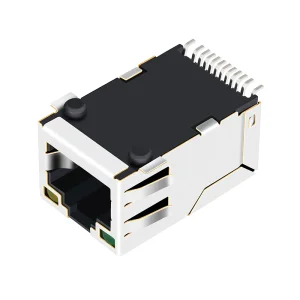
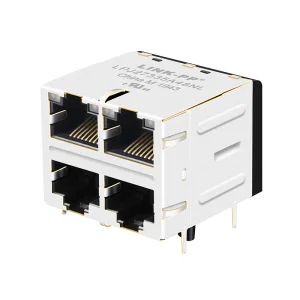
Corporate headquarters require high-speed wireless connectivity. WiFi 6 and WiFi 7 Wireless Access Points require 2.5G/5G/10G Ethernet ports with PoE power sourcing. The integration of multi-port stacked RJ45 female connectors with integrated magnetic components enables compact network switch architecture, delivering reliable multi-gigabit connections and necessary wattage to dense arrays of APs.
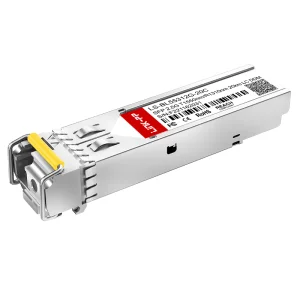
For high-capacity routing tables and fiber-to-the-home installations, optical transceiver units (such as our 10G/25G LC modules and 1550nm/1310nm BiDi modules) operate in tandem with RJ45 modules. This hybrid infrastructure ensures low latency and high bandwidth capacity across the internal network mesh.
Expert answers to the most common queries regarding Power over Ethernet mechanics, compliance, and component selection.
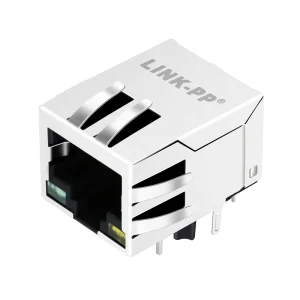
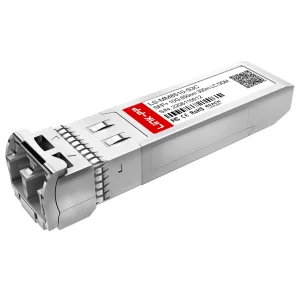
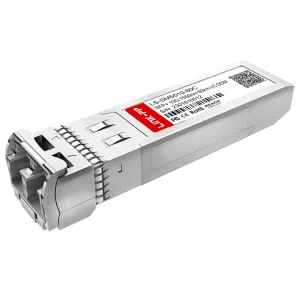
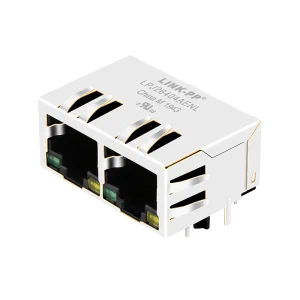
A comprehensive view of our modern facility, global footprint, and specialized testing infrastructure.
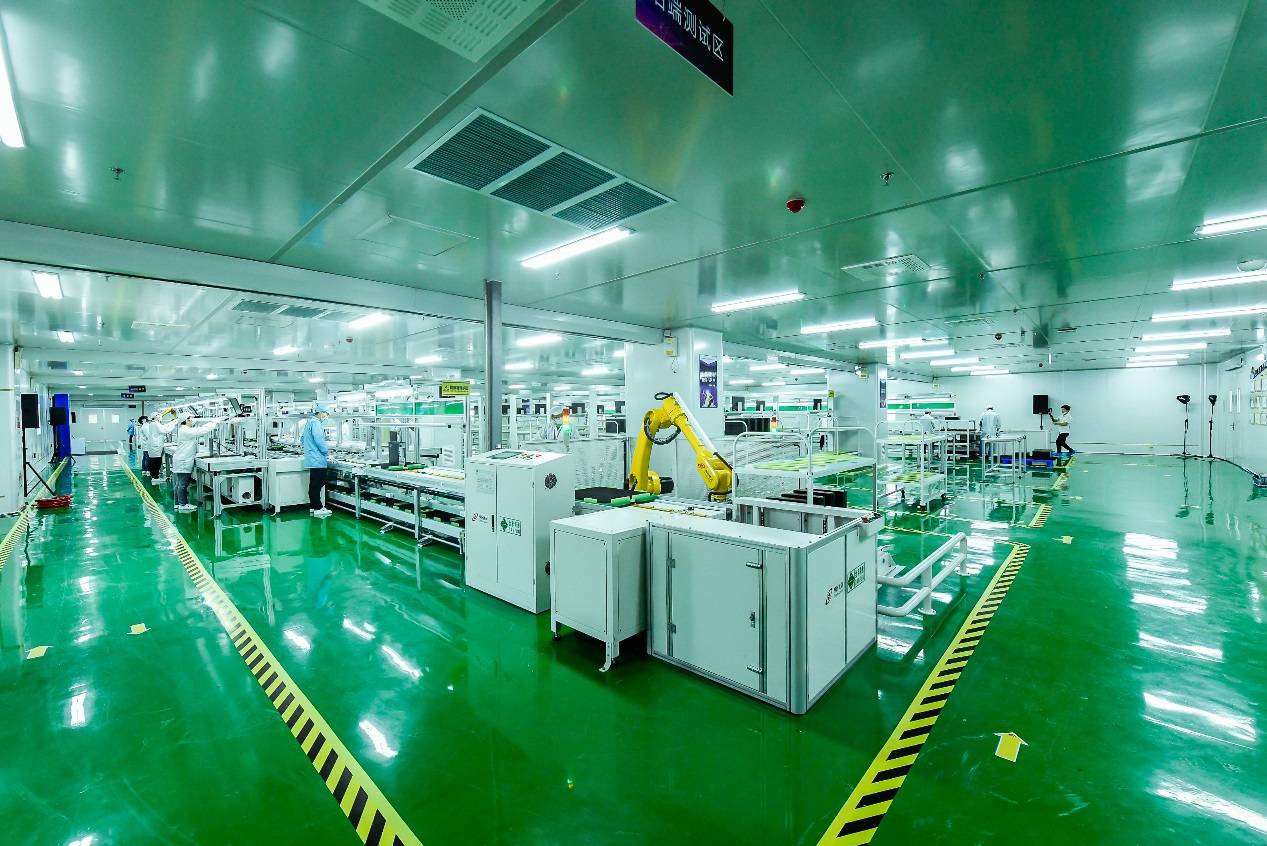
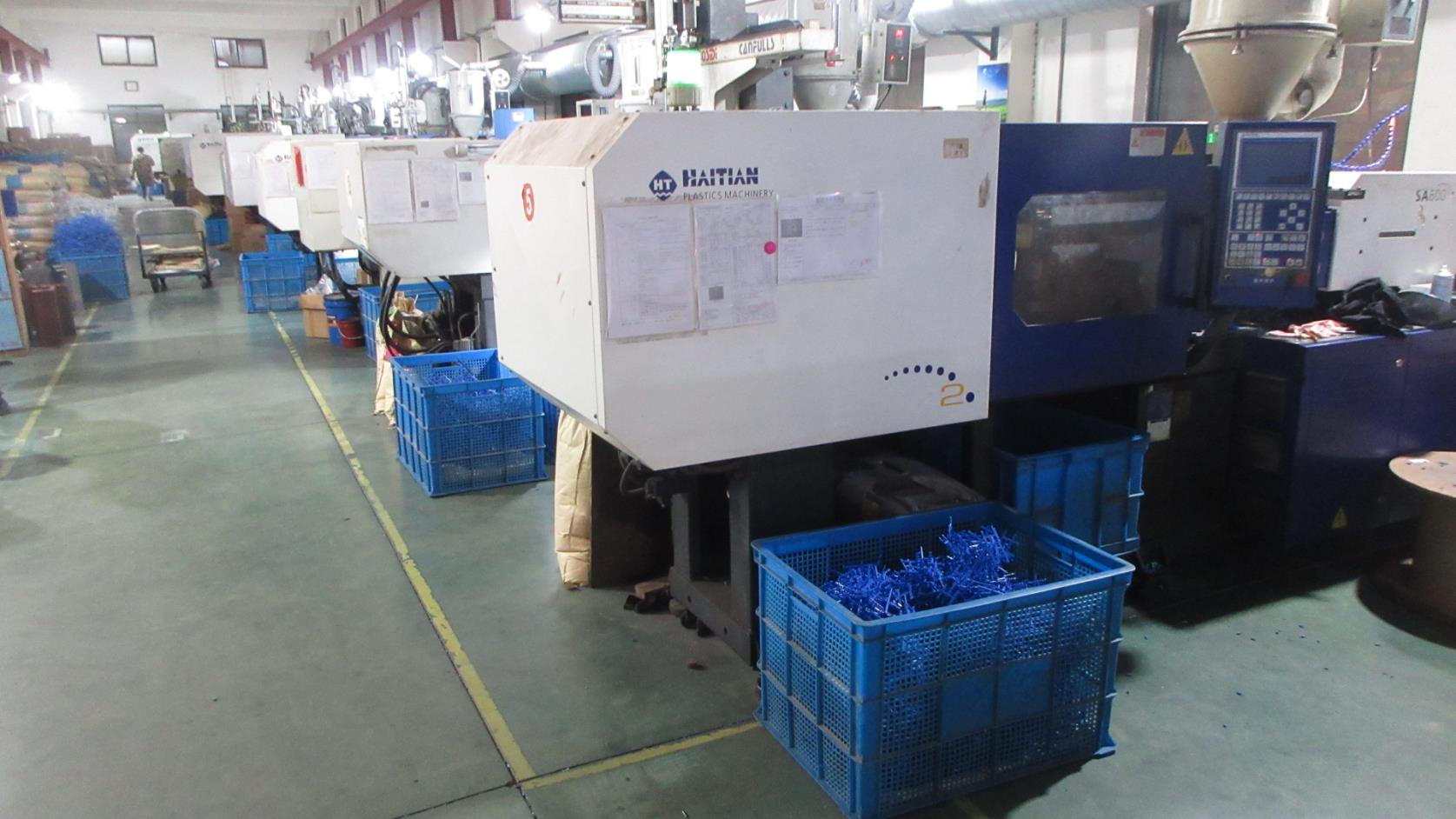
Established in 2016, Dorelink Optical Communications Co., Ltd. has grown to become a leading manufacturer in China's telecom infrastructure hub. Spanning an expansive 18,500㎡ production area, our facility houses automated SMT lines, advanced chip-on-board (COB) packaging environments, and cleanrooms designed to eliminate microscopic dust during optical sub-assembly (OSA) processes.
With 12 years of industry experience and 7 years of direct international export history, Dorelink handles high-volume global distribution. Our annual export revenue stands at approximately USD 18 million, reflecting the reliability and market acceptance of our connectivity products. We work alongside more than 850 long-term supply chain partners globally to ensure reliable access to raw materials and components.
Innovation is central to our operations. In the last year alone, our R&D center released 85 innovative optical transceiver and connector models, responding directly to trends such as high-density edge configurations and extreme-weather specifications. Our R&D team works closely with customers to deliver specialized firmware mapping, customized mechanical layouts, and tailored packaging designs.
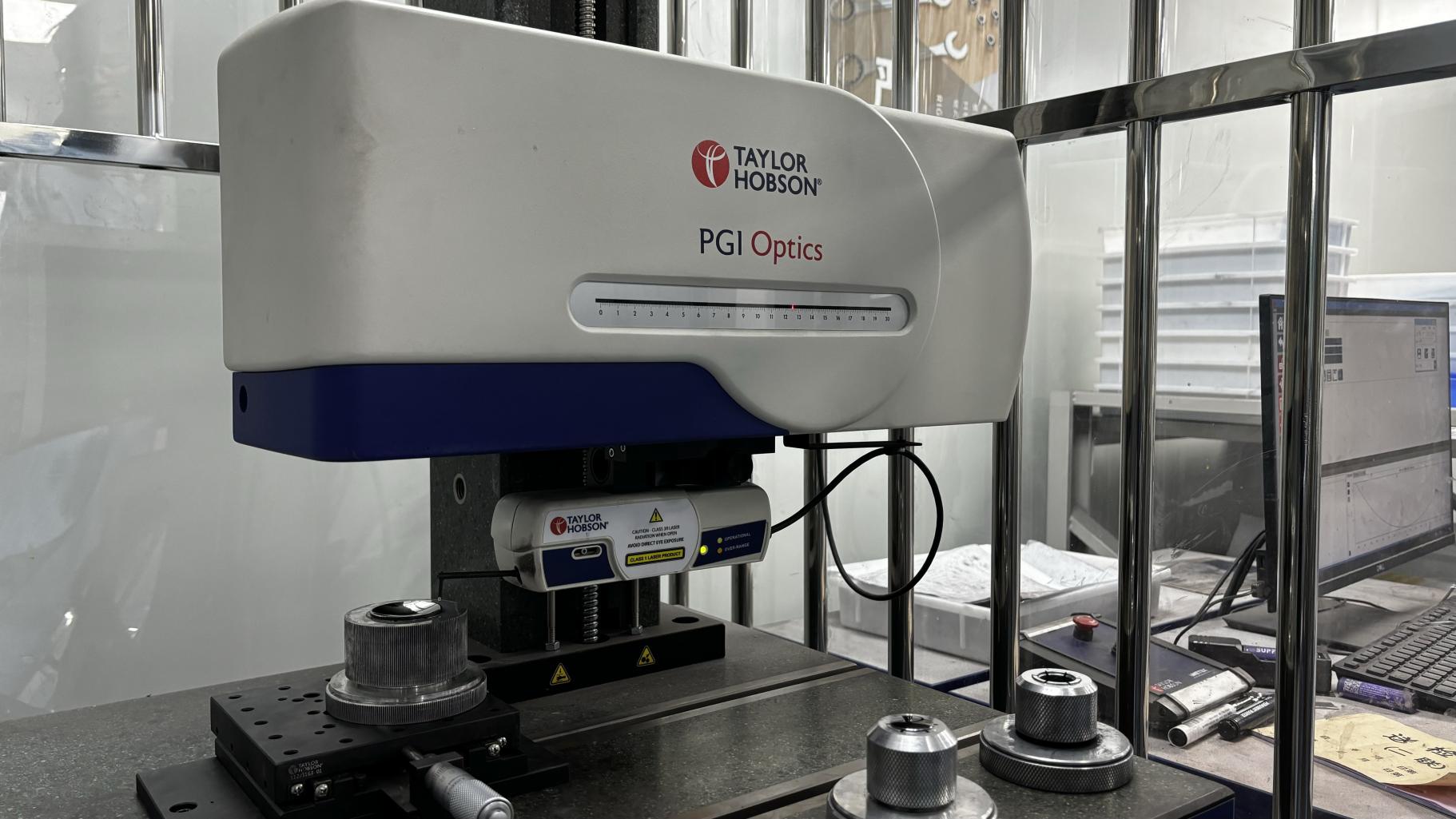
Each component undergoes multi-phase validation, utilizing eye-pattern testing, spectral analysis, and environmental test chambers to ensure stable operation in diverse industrial deployments.