Dorelink
Dorelink
Dorelink
High-density fiber optic networks require rugged passive protection coupled with state-of-the-art transceiver components. Explore our primary connection and transmission lineup below, engineered for continuous reliable performance.
A Dome Fiber Optic Splice Closure (FOSC) is the critical defensive shield of modern FTTH (Fiber-to-the-Home) and long-haul telecommunication infrastructures. Installed in harsh outdoor environments, these cylindrical-shaped closures protect sensitive fiber splices from extreme temperatures, water ingress, dirt, dust, and structural stress. Their unique vertical structure makes them exceptionally suited for underground manholes, aerial poles, direct burial, and duct routing applications.
Continuous submersion in water and resistance against pressurized mud and dust require rigorous mechanical or heat-shrink sealing systems designed to maintain positive pressure indefinitely.
Proper bend radius control (minimum 30mm) must be preserved in tight interior compartments to avoid macrobending losses in high-density G.652.D or G.657.A2 single-mode optical runs.
Modular splice tray layouts support hot-swappable drop line provisioning, enabling field technicians to scale up localized distribution limits from 12 up to 576 or even 1152 splices.
High-scale fiber distribution networks are being rapidly deployed across North America, Europe, and the APAC region to support the explosive demands of 5G cellular systems, rural broadband grants, and edge data center interconnects. Large-scale telecom buyers look beyond product unit price, examining physical material longevity and ease of installation.
Procurement specifications routinely mandate closures made of UV-stabilized, impact-resistant polypropylene glass fiber (PP-GF) compounds to endure harsh weather cycles and prevent high operational replacement costs.
Field service engineers strongly prefer mechanical compression seals over traditional heat-shrink shrinkable sleeves for their rapid re-entry mechanism. Re-entry without specialized heat guns drastically reduces OPEX during network upgrades.
Selecting the correct manufacturer requires assessing their capabilities against specialized performance metrics. The following elements form the core evaluation parameters used by major global tier-1 telecom carriers:
| Evaluation Parameter | Optimal Specifications (Tier-1 Standard) | Critical Role in Network Infrastructure |
|---|---|---|
| Outer Shell Material | Polypropylene blend with 20-30% Glass Fiber (PP-GF) or pure Polycarbonate (PC) | Resists UV light exposure, chemical degradation in alkaline soil, and impact stress down to -40°C. |
| Sealing Technology | Continuous vulcanized silicone gel gasket or elastic vulcanized rubber mechanical seal | Enables reusable port configurations without degradation of waterproofing integrity. |
| Thermal & Pressure Cycling | -40°C to +65°C under 100 kPa (15 PSI) internal air pressure | Ensures no internal pressure leakage or moisture ingress occurs during high-diurnal temperature variations. |
| Fiber Pathing & Radius | Strict R30 or R35 minimum physical guides integrated into all routes | Preemptively prevents microbend attenuation losses which degrade high-frequency signals. |
| Port Customization | Modular base plates with a mix of round ports & oval express ports | Enables flexible drop-cable installations, mid-span splicing, and accommodates future expansion. |
Here is our curated, globally recognized roster of top dome fiber optic splice closure manufacturers, chosen for their outstanding production quality, mechanical reliability, and technological leadership.
CommScope is an industry standard setter. Their globally acclaimed FOSC 450 and FIST-GCOG series dome closures feature advanced mechanical gel sealing and optimized fiber organization trays. Designed for high-density, tool-less fiber routing, CommScope products are favored by primary global telecom operators who prioritize high reliability and long product lifespans over initial procurement cost.
Corning is synonymous with fiber optic technology. Their BPEO mechanical dome closures are engineered for quick, snap-in-place splicing. By eliminating the need for heat guns or specialized tooling, Corning's closures streamline the installer workflow, reducing labor costs and minimizing installation errors in the field.
As a global leader in cable systems, Prysmian manufactures robust dome closures designed for complex multi-port configurations and high fiber counts. Their designs focus on modularity, enabling carriers to mix single-fiber fusion and ribbon fiber splices within a single protective housing, which is ideal for long-distance trunk lines.
Established in 2016, Dorelink leverages a modern 18,500㎡ facility to deliver highly integrated physical-layer connectivity configurations. Known for manufacturing top-tier optical transceivers and active modules, Dorelink's engineering expertise extends to optimizing compatibility between passive dome closures and complex optical transport components. Their focus on rigorous QC testing guarantees seamless physical-to-active interface performance.
AFL offers an array of high-quality fiber closures designed for both telecom and utility operations. Their dome closures emphasize mechanical integrity, making them well-suited for high-voltage transmission pole mount placements. AFL's splice trays are designed for easy organizing, routing, and protecting, especially in rugged industrial locations.
This Swiss engineering firm is known for precision and strict quality standards. Their dome solutions feature high mechanical durability and exceptional sealing properties, engineered for use in harsh environments, railway networks, and smart city nodes where zero-failure operation is mandatory.
3M is known for advanced materials and sealing technology. Their dome fiber closures feature specialized compound gaskets and compound mechanical seals that resist degradation over decades. 3M closures are highly valued for underground applications where constant exposure to chemical pollutants and damp soils is common.
HellermannTyton offers a broad selection of fiber splice enclosures, with a focus on ease of deployment and customization. Their dome closures accommodate diverse splice tray quantities and port seals, making them a preferred choice for local municipalities expanding regional FTTH networks.
Sumitomo Electric is a pioneer in optical fiber technology. Their dome closures are optimized for high-density, multi-fiber ribbon cables, supporting efficient ribbon splicing. Designed for fast field access and low-loss protection, they are ideal for high-bandwidth metropolitan ring networks.
TE Connectivity's Raychem brand is a market leader in heat-shrinkable closure technologies. Known for their durability, Raychem dome closures are designed to withstand challenging outdoor conditions, including direct burial, where mechanical stability and water-tight performance are required.
Next-generation network designs demand optical enclosures that can accommodate higher splice counts in smaller footprints. We anticipate several key technological shifts over the next five years:
The standard 24/48 fiber splice is shifting toward 576-port to 1152-port modular options. This enables networks to handle high-fiber-count trunk lines without requiring large, costly enclosures.
By using factory-sealed, plug-and-play hardened adapters, technicians can connect home subscribers without opening the primary dome dome closure, reducing labor costs and lowering the risk of signal degradation.
Manufacturers are replacing traditional heavy thermoset materials with recyclable, chemical-resistant thermoplastics, helping operators meet sustainability goals without compromising field reliability.
Established in 2016, Dorelink Optical Communications Co., Ltd. specializes in the research, development, and manufacture of optical communication products. Our product portfolio spans data center solutions, active transceivers, and connectivity configurations, designed to ensure seamless integration and reliable physical-layer performance.

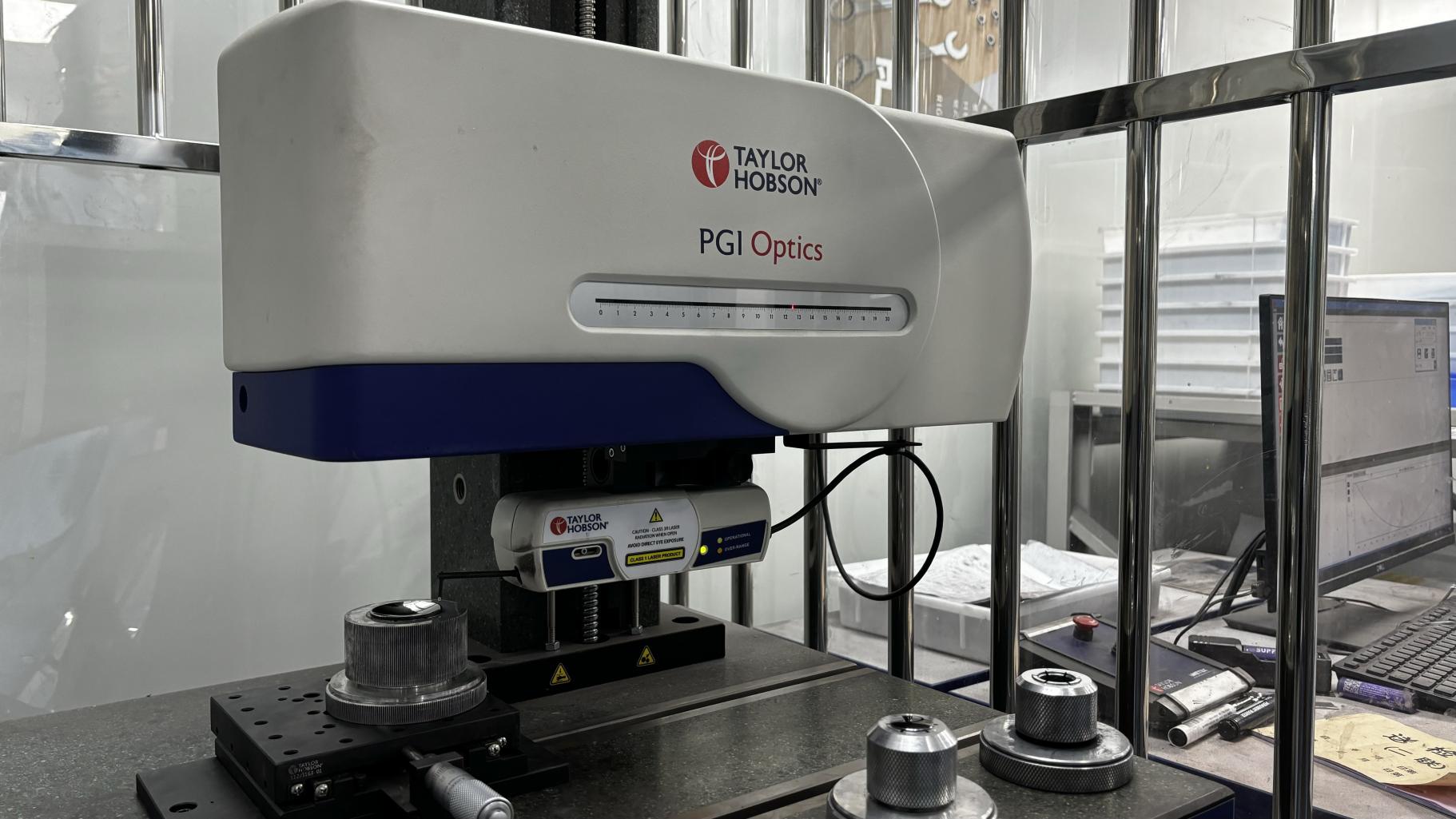
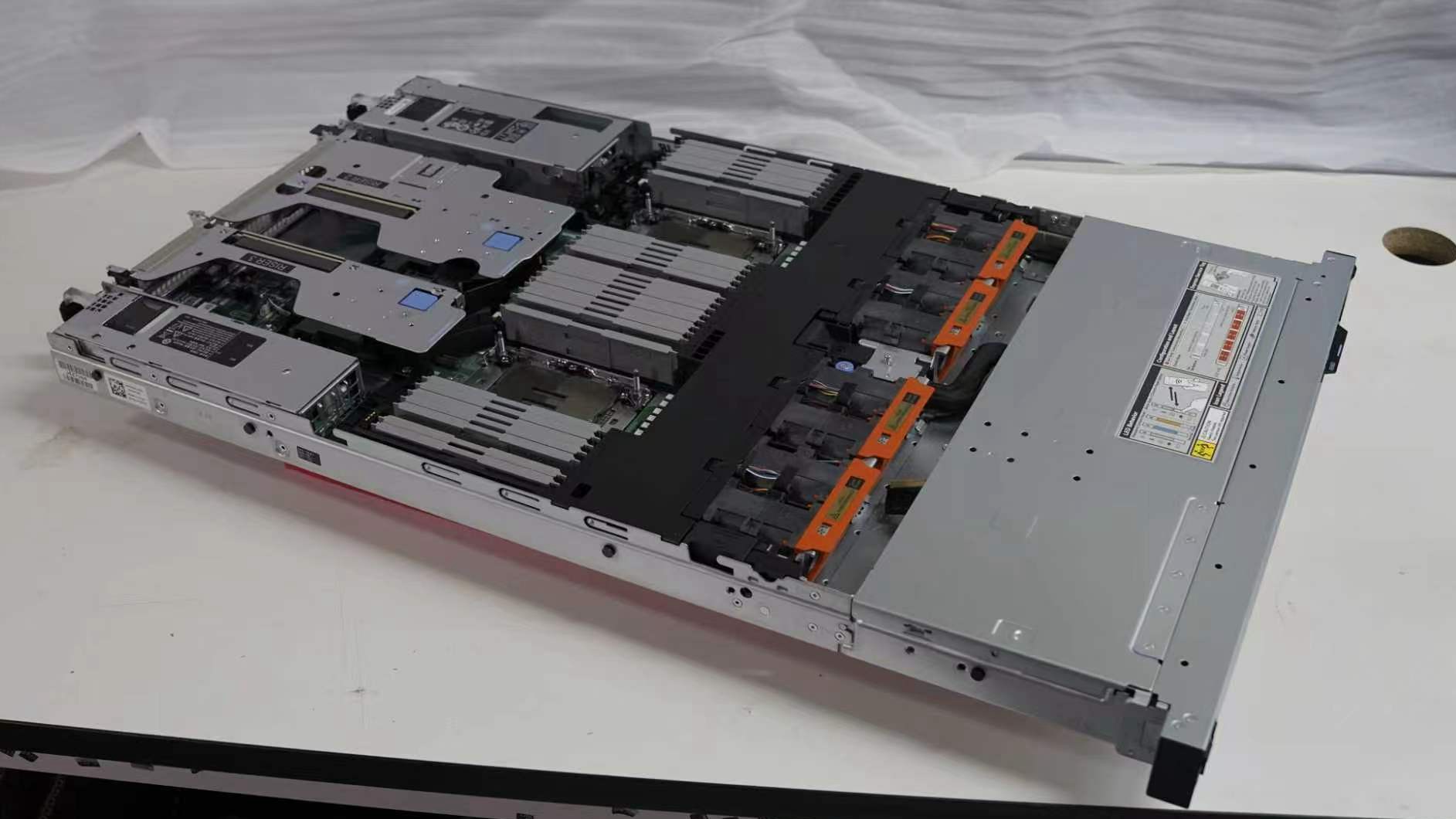
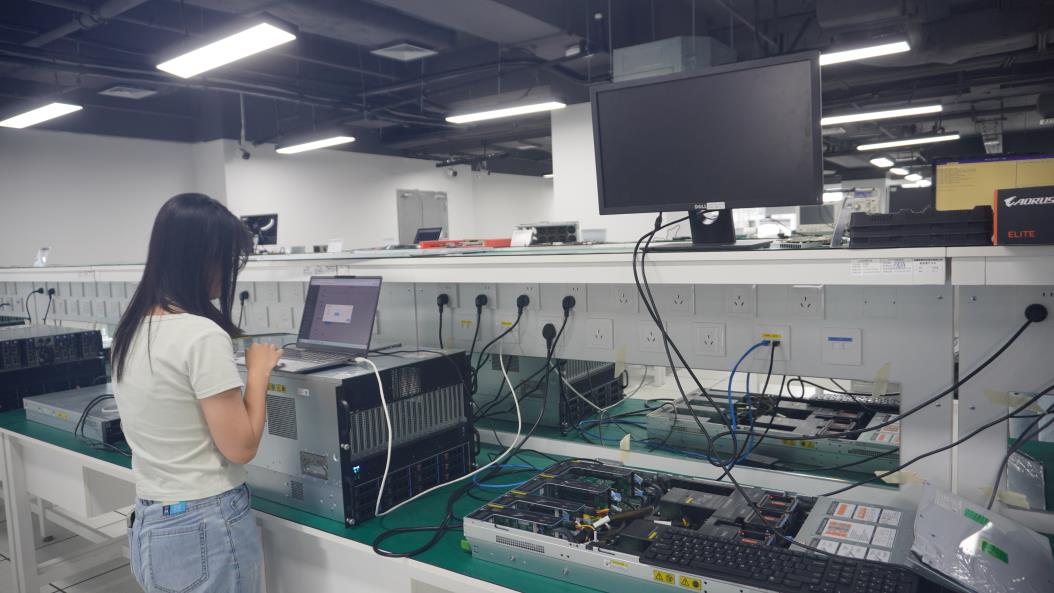
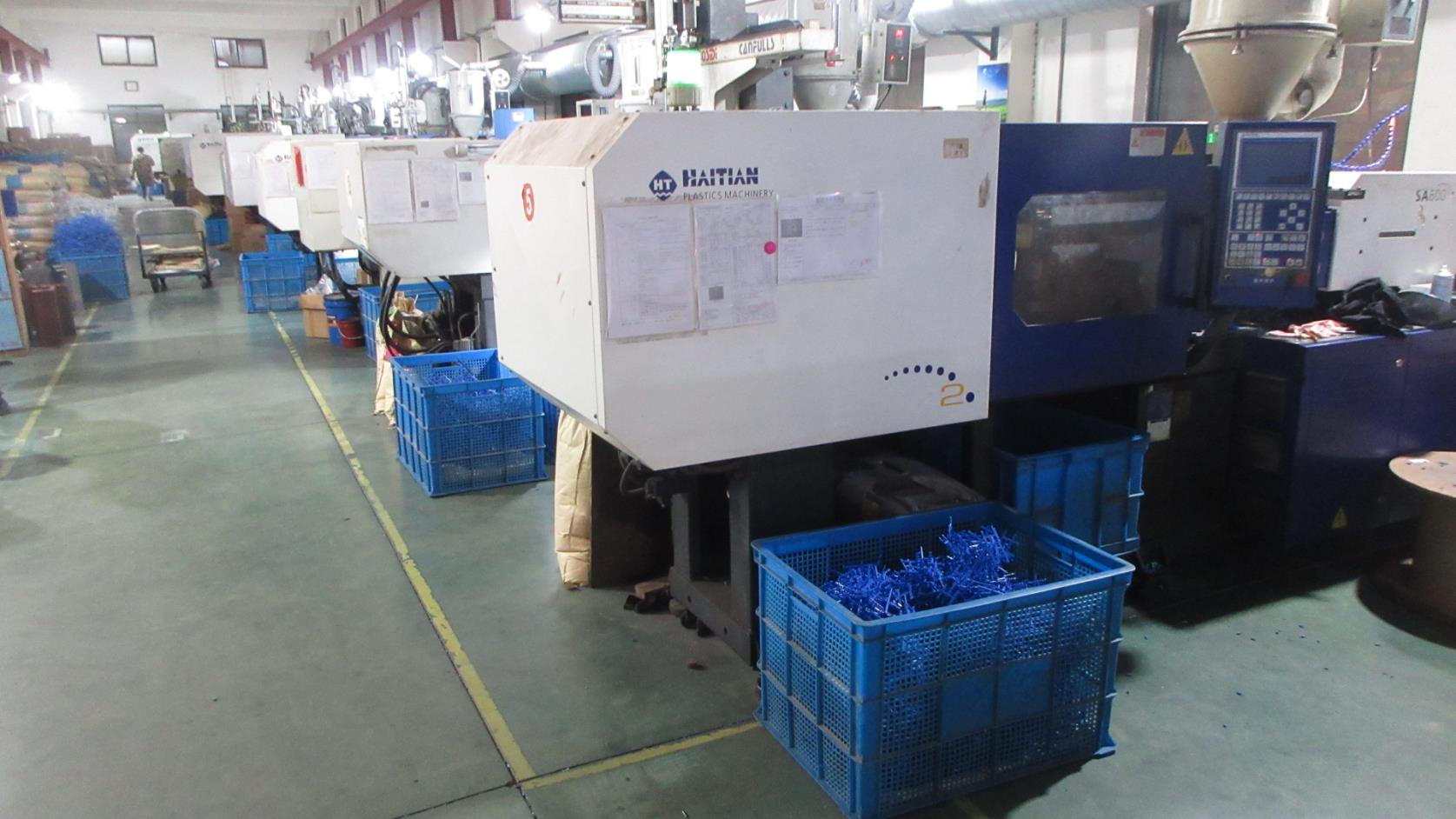
Dorelink maintains a strict quality management system led by 45 professional quality control personnel. Our facility performs comprehensive performance verification, temperature cycling tests, and optical-integrity validation to ensure all products meet global carrier requirements.
Supported by an R&D team of 120 engineers, we offer customized solutions, including tailored transceiver firmware, specialized labeling, and complete optical packaging designs to meet specific network configurations.
Find quick answers to common B2B procurement and engineering questions regarding dome fiber optic splice closures and physical plant configurations.
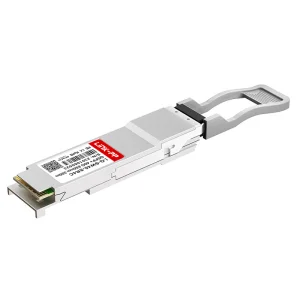
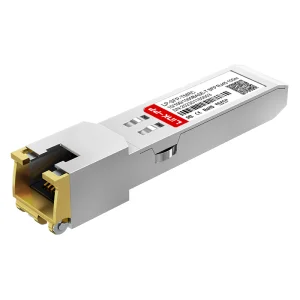
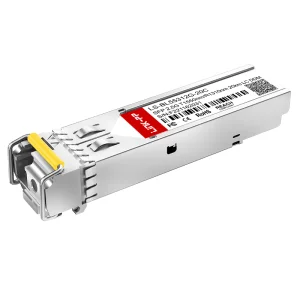
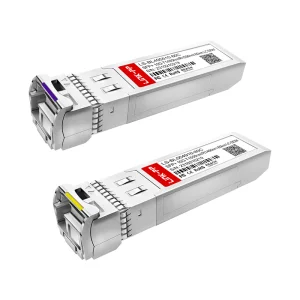
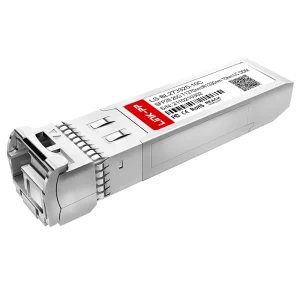
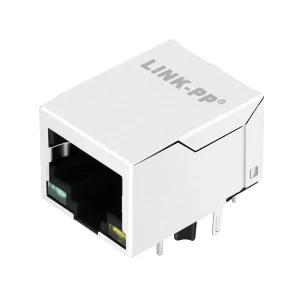
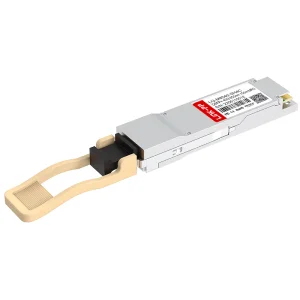
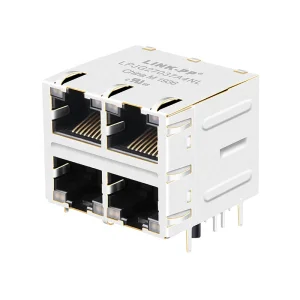
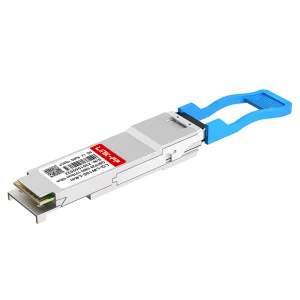
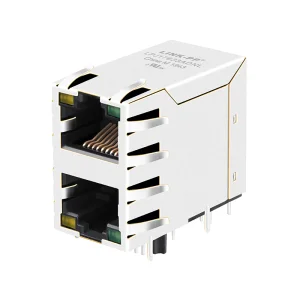
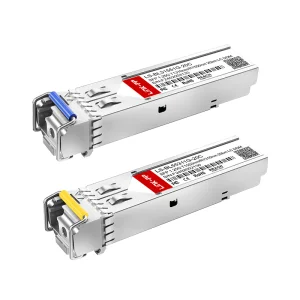
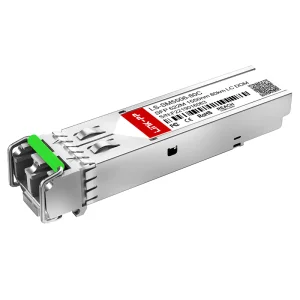
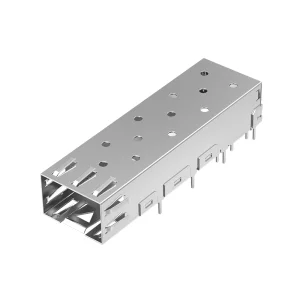
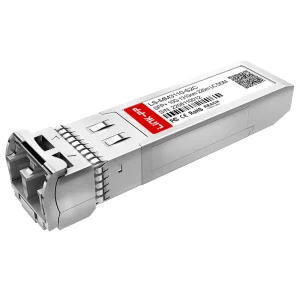
Complete your physical network architecture with our high-speed optical transceivers, compatible connectors, and SFP interfaces.