Dorelink
In today's fast-paced digital world, the role of an optical transceiver manufacturer is crucial. These manufacturers design and produce devices that enable high-speed data transmission over fiber optic networks. Their product quality directly impacts connectivity and performance in telecommunication systems. A reliable transceiver enhances signal integrity and reduces latency, making it essential for modern communication.
Choosing the right optical transceiver manufacturer can be challenging. The market is filled with various options, each claiming superiority. Potential buyers must weigh factors like quality, cost, and service. A well-established manufacturer often brings experience and expertise to the table. However, smaller companies might offer innovative solutions at competitive prices.
Yet, not all manufacturers are created equal. Some may cut corners to save costs, leading to subpar products. This inconsistency can create problems for businesses relying on reliable communication. Careful evaluation of manufacturers is necessary. It involves considering their track record, customer reviews, and industry certifications. Identifying a trustworthy optical transceiver manufacturer requires diligence, but it is essential for ensuring effective data transmission.
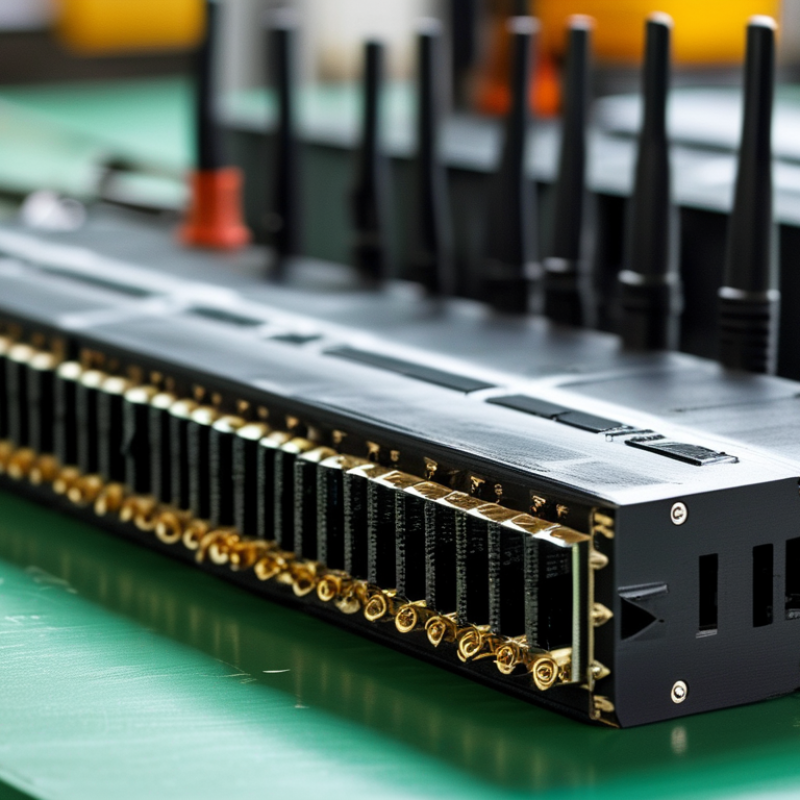
Optical transceivers are vital components in modern communication. They facilitate data transfer over fiber optic networks, enabling high-speed internet and efficient data exchange. These devices convert electrical signals into optical signals and vice versa. This process allows for seamless communication over long distances, which is crucial for both personal and business use.
The growing demand for faster internet speeds has made optical transceivers essential. As our reliance on technology increases, the need for reliable and efficient communication solutions becomes evident. Optical transceivers support various applications, including data centers, telecommunications, and networking. Their ability to handle large volumes of data swiftly is unparalleled.
Tips: When choosing optical transceivers, consider compatibility with existing systems. Verify specifications to ensure optimal performance. Regular maintenance is important; inspect for wear and tear. This can prevent unexpected failures. Understanding these details enhances the reliability of your communication setup.
Investing in quality optical transceivers is crucial. However, not every transceiver will meet your needs. Analyze your data requirements before making a decision. The market is filled with options, and identifying the right one can be challenging. Take the time to consult professionals for tailored advice. This approach ensures your investment aligns with your technological needs.
Optical transceivers serve as vital components in modern communication networks. They enable the transmission of data over long distances using light waves. By converting electrical signals into optical signals and vice versa, transceivers facilitate rapid data exchange. Their compact design allows them to fit into various networking equipment, making them indispensable for data centers and telecommunication providers.
Key components of optical transceivers include lasers, detectors, and modulators. Lasers generate the light signals, while detectors receive them. Modulators adjust the light for optimal transmission. Each component must work accurately and efficiently. Any slight malfunction can lead to significant data loss or slow performance. Understanding how these components interact helps improve network design and reliability.
Functionality also varies across different types of optical transceivers. Factors like wavelength, protocol, and distance capability are crucial. Some transceivers excel in short-range communication, while others are tailored for long-haul transmissions. However, designing a versatile transceiver that meets diverse requirements can be challenging. Continuous innovation is necessary to address evolving network needs and emerging technologies.
The demand for optical transceiver manufacturers is rising steadily. This growth is driven by the expanding need for high-speed internet and data transfer. As businesses and consumers rely more on digital communication, the market for these devices becomes increasingly significant. Optical transceivers are crucial for connecting networks over long distances and improving bandwidth.
Manufacturers are challenged to keep pace with technological advancements. New standards and protocols constantly emerge, requiring companies to innovate continuously. The competition is fierce, and staying updated is essential. Companies may face difficulties adapting to new technologies or meeting demands efficiently.
Tips: Always look for reliable suppliers. Quality plays a vital role in the performance of optical transceivers. Consider sustainable manufacturing practices. These methods enhance reputation and may appeal to environmentally conscious clients. Adaptability is critical; manufacturers must be ready to adjust to market fluctuations quickly. Understanding these trends helps in making informed business decisions and staying competitive.
In the optical transceiver industry, quality standards and certifications play a crucial role. Manufacturers must adhere to specific benchmarks, ensuring reliable performance. For instance, the Telecommunications Industry Association (TIA) and Institute of Electrical and Electronics Engineers (IEEE) provide guidelines that are widely accepted. According to a recent market report, over 70% of telecom operators insist on certified products. This statistic highlights the importance of compliance to maintain competitive advantage.
Certification processes often examine parameters such as temperature range, transmission speed, and signal degradation. Equipment failing to meet these standards can lead to substantial losses. In fact, a study from the Optical Internetworking Forum showed that non-compliant transceivers resulted in network failures 40% of the time. Many manufacturers still struggle with these requirements, revealing gaps in their production and testing protocols.
The competitive landscape requires manufacturers to invest heavily in research and development. Staying updated with evolving standards is necessary for delivering reliable optical transceivers. Yet, some companies exhibit a lack of awareness, risking quality and reputation. Regular audits and updated training programs can help bridge these gaps, ensuring product integrity and customer trust in an increasingly technical market.
| Dimension | Description | Importance | Certification Examples |
|---|---|---|---|
| Quality Control | Process of ensuring products meet certain standards | Critical for reliability and performance | ISO 9001 |
| Environmental Impact | Considerations for sustainable manufacturing | Enhances corporate responsibility | ISO 14001 |
| Product Testing | Evaluation of products under various conditions | Ensures operational efficiency | IEC 61280-1-3 |
| Safety Standards | Regulations to protect users and the environment | Prevents accidents and ensures safe usage | IEC 60950-1 |
| Performance Metrics | Standards for evaluating transceiver performance | Determines product suitability for applications | IEEE 802.3 |
The landscape of optical transceiver manufacturing is rapidly evolving. Manufacturers face significant challenges, including rising demand for higher data rates and compact designs. These requirements push the limits of existing technologies. Companies must innovate to keep pace with these trends. This leads to intense competition and the need for agile development processes.
Manufacturers are also grappling with cost pressures. The race to lower prices while maintaining quality is relentless. Material shortages and supply chain disruptions further complicate these efforts. Some manufacturers struggle to balance innovation with economic viability. Research is essential, but funding is often limited. This leads to tough decisions that can impact long-term growth.
Moreover, environmental regulations are becoming stricter. Compliance adds complexity to manufacturing processes. Companies must invest in sustainable practices, which can be expensive. This may slow down product development. Yet, it’s a necessary investment for the future. Embracing eco-friendly designs can enhance a company's reputation. However, not all manufacturers are ready to take this step. The journey toward sustainability is fraught with challenges and reflects the ongoing need for reflection and adaptation.
: Optical transceivers are components that enable long-distance data transmission using light waves.
They convert electrical signals into optical signals and vice versa for fast data exchange.
Important components include lasers, detectors, and modulators. Each plays a crucial role in data transmission.
Certifications assure reliable performance. Poor compliance can lead to network failures and significant losses.
Manufacturers struggle with rising data demands, cost pressures, and environmental regulations, complicating production processes.
Regular audits and updated training can enhance production protocols and ensure compliance with necessary standards.
No, many manufacturers hesitate to adopt eco-friendly practices, despite the potential benefits for reputation and compliance.
Equipment that doesn't meet standards can lead to failures, impacting network performance and causing financial penalties.
Continuous innovation is essential to meet evolving network needs, but funding for research can be limited.
Lack of awareness about standards and gaps in testing may hinder their ability to compete effectively.
An optical transceiver is a crucial component in modern communication systems, enabling the transmission and reception of data through optical fibers. It integrates both transmitter and receiver functionalities, making it essential for high-speed connectivity in various applications, including telecommunications and data centers. Understanding the key components and functionality of optical transceivers is fundamental for evaluating their role in the industry's rapid growth, driven by increasing demand for high-capacity networks.
The market trends reveal a robust expansion for optical transceiver manufacturers, fueled by the rise in data consumption and technological advancements. However, these manufacturers face challenges, such as maintaining quality standards and certifications amid rapid innovation. Addressing these challenges is vital for ensuring the reliability and efficiency of optical transceivers, ultimately impacting the performance of global communication networks.
