Dorelink Dorelink

How to Choose the Right QSFP-DD Transceiver for Your Needs?

Time:2026-08-10 Author:Mason
0%

In the fast-evolving landscape of data communication, the choice of a QSFP-DD transceiver can significantly impact network performance. According to a report from MarketsandMarkets, the global demand for high-speed optical transceivers is projected to reach $18.82 billion by 2028. This underscores the importance of making informed decisions when selecting a QSFP-DD transceiver.

Industry expert Dr. Emily Martinez states, "Choosing the right QSFP-DD transceiver not only improves bandwidth but also enhances overall network reliability." Her insights highlight the critical aspects of compatibility, transmission distance, and cost-effectiveness that must be considered. Each of these factors can dramatically influence system architecture and future scalability.

While many companies focus on immediate needs, overlooking long-term implications can lead to costly setbacks. A well-chosen QSFP-DD transceiver aligns with both current and future demands. However, it's vital to remember that the wrong selection can result in network bottlenecks or underperformance. Thoughtful evaluation is necessary to ensure optimal results.
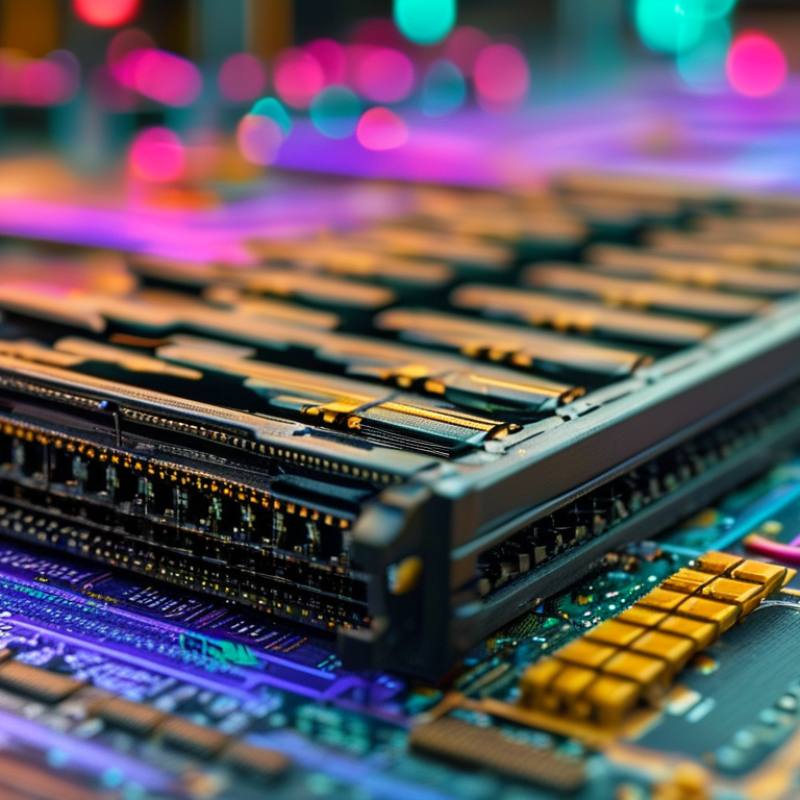
How to Choose the Right QSFP-DD Transceiver for Your Needs?

Understanding QSFP-DD Transceivers and Their Applications

QSFP-DD transceivers are essential components in modern networking. They provide high-speed data transmission capabilities, making them ideal for data centers and enterprise networks. Understanding their various applications can help you make informed decisions for your network requirements.

These transceivers support multiple data rates and configurations. They can handle 400G speeds, which is crucial for scaling bandwidth. Use cases include high-performance computing and large-scale cloud environments. Each application may require different features, like distance support and power consumption. It’s important to consider these aspects when selecting a transceiver.

While choosing a QSFP-DD transceiver, it's crucial to assess compatibility with your existing infrastructure. Not all devices support the same specifications. Take time to conduct thorough research. Gathering data from reliable sources can save you from costly mistakes. Pay attention to emerging trends in the industry. Staying aware of new developments may influence your purchasing decisions later on.

Key Specifications to Consider When Selecting a QSFP-DD Transceiver

When selecting a QSFP-DD transceiver, it's essential to consider several key specifications. Firstly, data rate is vital. QSFP-DD supports data rates up to 400 Gbps. However, for some applications, a lower rate might suffice. Assess your network's requirements carefully.

Next, look at distance and reach specifications. Different transceivers are designed for varying distances. Some are optimized for short-range connections, while others cater to long-distance requirements. Check the optical interfaces and the type of fiber used.

Additionally, power consumption is another crucial aspect. Lower power draw can be essential for energy efficiency. Yet, higher power may indicate better performance. Ensure you balance these aspects against your network's operational needs. This systemic approach will lead to more informed choices. The right transceiver must align with your specific use case.

How to Choose the Right QSFP-DD Transceiver for Your Needs?

Specification Details
Data Rate Up to 400 Gbps
Transmission Distance Up to 2 km over SMF
Connector Type MPO/MTP
Wavelength 850 nm / 1310 nm
Power Consumption Less than 9 W
Operating Temperature Range 0 to 70 °C
Compliance Standards IEEE802.3bs, MSA

Evaluating Compatibility with Networking Equipment and Standards

When selecting a QSFP-DD transceiver, ensuring compatibility with your existing networking equipment is crucial. Many factors come into play. Examine the specifications of your devices, especially their supported standards. The QSFP-DD transceiver supports both 400G Ethernet and InfiniBand. Verify if your switches or routers can accommodate these protocols. This alignment is vital for optimal performance.

Consider the distance requirements of your network. Different transceivers cater to various distances, from short-range to long-range applications. The optical fiber type also matters—some transceivers require single-mode fibers, while others work with multimode fibers. Misalignment here can lead to subpar results in data transmission.

Tips: Always check the device documentation. Compatibility issues can cause downtime. Have a fallback plan if the chosen transceiver isn't suitable. Seek expert advice if uncertain about your equipment. It's essential to approach your selections with caution. Not every choice will work seamlessly, and sometimes testing is necessary to confirm functionality.

QSFP-DD Transceiver Compatibility Evaluation

The chart above presents the compatibility scores for various QSFP-DD transceiver types commonly used in networking equipment. Each transceiver type is rated on a scale from 0 to 100, indicating its compatibility with standard networking equipment.

Assessing Data Rate Requirements for Different Use Cases

Choosing the right QSFP-DD transceiver starts with understanding your data rate needs. Different applications require varying speeds and capacities. For high-frequency trading or real-time analytics, a 400 Gbps option may be essential. Conversely, data archiving might only need 100 Gbps. Assess your current and future requirements to prevent shortchanging your infrastructure.

Consider the bandwidth necessary for your use case. Media streaming, for example, demands consistent throughput and low latency. Evaluate network traffic during peak hours. You'll want transceivers that can handle spikes without degrading performance. Testing various configurations can reveal insights into your specific environment.

Reflecting on deployment choices is crucial. Overestimating required bandwidth can lead to unnecessary expenses. While it's tempting to opt for the highest specs, understanding real-world usage is key. Collaborate with staff to ensure the right fit. This collective approach promotes reliability and performance optimization. Be prepared to reassess your choices as technology evolves.

Exploring Budget Options and Manufacturer Reliability in QSFP-DD Choices

When selecting a QSFP-DD transceiver, budget considerations and manufacturer reliability are crucial. Industry reports indicate that nearly 40% of buyers prioritize cost when choosing transceivers. This trend reflects the competitive nature of the market, where price variations can reach up to 30% among similar performance products. Quality, however, should not be sacrificed for a lower price. Insufficient attention to manufacturer reliability can lead to significant long-term costs, including downtime and compatibility issues.

An important factor is the warranty offered by different manufacturers. A survey found that transceivers with at least three years of warranty are 25% less likely to fail. This data emphasizes the role of reliability in reducing overall expenditures. Some start-up brands offer attractive pricing but may lack robust after-sale support or quality assurance. Analyzing customer reviews and third-party certifications can provide insight into long-term performance.

Additionally, keeping an eye on technological advancements is imperative. As organizations move towards higher speeds, ensuring that a chosen transceiver meets future requirements is vital. The transition to 400 Gbps is gaining momentum, with forecasts suggesting a market growth rate of 35% per year until 2025. Companies must weigh these aspects carefully while ensuring they choose a transceiver that aligns with their operational needs and budget constraints.

FAQS

: What is the maximum data rate supported by QSFP-DD transceivers?

: QSFP-DD supports data rates up to 400 Gbps.

How do I determine the right distance specification for my transceiver?

Assess whether your network needs short-range or long-range connections.

Why is power consumption important in transceivers?

Lower power can enhance energy efficiency, but higher power may improve performance.

How can I ensure compatibility with my existing networking equipment?

Check device specifications and supported standards for compatibility with QSFP-DD.

What types of optical fibers do different transceivers require?

Some need single-mode fibers, while others work with multimode fibers.

How should I assess my data rate needs?

Evaluate both current and future usage to choose the appropriate transceiver.

What’s a common mistake when selecting transceivers?

Overestimating bandwidth requirements can lead to additional costs and inefficiencies.

Why is testing configurations necessary?

Testing helps confirm functionality and performance in your specific environment.

How can I prepare for compatibility issues?

Check documentation and have a backup plan if the chosen transceiver is unsuitable.

Should I always opt for the highest specifications available?

Not necessarily; understanding your actual usage is crucial for making informed choices.

Conclusion

When selecting the right QSFP-DD transceiver, it's crucial to understand their applications and the specific needs of your network environment. QSFP-DD transceivers are designed to support various data rates and connectivity standards, making them versatile for a range of applications. Key specifications to consider include optical performance, power consumption, and form factor.

Additionally, evaluating the compatibility of the QSFP-DD transceiver with existing networking equipment is essential to ensure seamless integration. Assessing data rate requirements for specific use cases can help in choosing a transceiver that meets performance expectations without overspending. Finally, exploring budget options and the reliability of manufacturers will ensure that your investment in QSFP-DD transceiver technology is sound and sustainable.

Mason

Mason

Mason is a seasoned marketing professional with a deep expertise in the company's offerings and a passion for driving brand awareness. With a strong background in digital marketing strategies, he has an innate ability to connect with diverse audiences and effectively communicate product benefits.......