Dorelink
In the rapidly evolving world of telecommunications, choosing the right equipment is crucial. Experts emphasize the importance of selecting the best 800G optical transceiver for your network. According to Dr. Emily Chen, a leading specialist in optical communications, “The right 800G optical transceiver can dramatically influence network performance.” Her insights highlight the critical role these devices play in data transmission.
Considering the vast options available, it is essential to evaluate key features. Factors such as distance, compatibility, and bandwidth must be assessed carefully. An effective transceiver not only enhances speed but also reduces latency. When selecting an 800G optical transceiver, users should also consider future scalability. The dynamic nature of technology means that today’s best choice may not suit tomorrow’s needs.
Reflection on this selection process is vital. Are you prioritizing quality or cost? Are you considering the long-term implications? Engaging with industry professionals can clarify these questions. Ultimately, the right choice ensures seamless connectivity and reliable data transfer, making it a decision no network manager should take lightly.
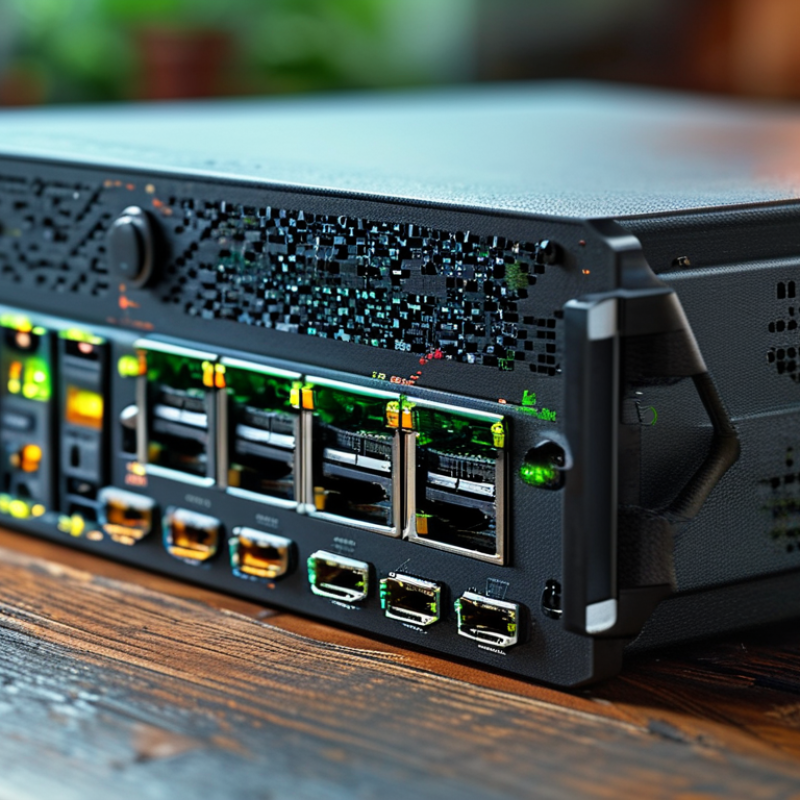
When navigating the realm of 800G optical transceivers, understanding the fundamentals is essential. These transceivers are designed for high-speed data transmission, often over long distances. They utilize advanced technologies like PAM4 modulation. This innovation allows them to transmit more data using a single wavelength. Consequently, they meet the increasing demands for bandwidth.
Selecting the right transceiver involves several factors. Users should consider compatibility with existing equipment. Not all transceivers work universally. Transmission distance is another crucial aspect. Network layout influences how far the signal can travel. If you overlook these details, you may face performance issues. Assessing heat dissipation is also vital. High-speed components generate heat, which can affect reliability.
Tips: Always check for industry standards. Look for transceivers that meet compliance requirements. This ensures quality and reliability. Conduct regular performance evaluations. Even the best equipment may require adjustments over time. Review your network needs. High capacity does not always equate to high performance. Tailor your choices based on real-world scenarios. This approach helps optimize overall network efficiency.
When selecting an 800G optical transceiver, several critical factors must be evaluated. Understand the specifications that cater to your network's requirements. Consider compatibility with your existing infrastructure—this is vital for seamless integration. The distance of transmission also plays a significant role. Longer distances typically require a different type of transceiver compared to short-range applications. Assessing these details can help avoid future bottlenecks.
Budget constraints are often unavoidable in technology procurement. Compare the costs associated with different 800G transceivers against their performance. Not every high-priced option guarantees reliability or superior speed. Look for user reviews and case studies to gain insights into real-world performance. Weight the pros and cons; sometimes, a less expensive option may suffice for your needs.
Additionally, evaluate the warranty and support offered by the manufacturer. A solid warranty indicates confidence in the product's longevity. Reliable customer support can mitigate challenges during installation or operation. While considering these aspects, remember that overemphasizing one feature may overlook others that contribute to overall efficiency. It’s crucial to strike a balance and identify the transceiver that best aligns with your network strategy.
When selecting the best 800G optical transceiver, understanding the different types is crucial. There are several categories available, including pluggable and non-pluggable transceivers. Pluggable options offer flexibility, allowing easy replacement and upgrades. Non-pluggable transceivers often provide better performance but are less versatile. Each type has its unique advantages and disadvantages. For example, pluggable transceivers enable quick adjustments to network demands but may compromise on total signal integrity.
Another aspect to consider is the distance capabilities of various transceivers. Some models excel in long-distance transmission, while others perform better over shorter spans. Understanding the environment where the transceiver will be used is vital. It can influence your choice significantly. Factors like temperature fluctuations and fiber type can affect performance. Not every transceiver will suit your specific network setup.
Cost efficiency is a common concern when choosing an 800G transceiver. Higher prices do not always guarantee superior performance. It's essential to weigh technical specifications against budget constraints. This can lead to valuable insights. Many find themselves torn between high-end performance and budget-friendly options. Reflecting on these aspects helps in making a more informed decision.
Choosing the best 800G optical transceiver requires evaluating its compatibility with your existing network infrastructure. This step is essential for seamless integration and optimal performance. Assess your current network components, including switches, routers, and fibers. Ensure the transceiver supports the same standards as your existing equipment. Mismatched technologies can lead to inefficiencies and complications.
It's also important to consider the form factor of the transceiver. Different types, like SFP, QSFP, or OSFP, might be supported by your hardware. Take note of the installation limits and cooling requirements. Sometimes, certain transceivers might perform better but require more power or space. A careful balancing act is necessary, and it requires input from your team.
Lastly, your network's future growth should not be overlooked. As demands increase, flexibility in upgrades becomes crucial. Choosing a transceiver that can easily adapt to new technologies is a wise approach. However, overestimating future needs can lead to unnecessary expenses. Regular reassessment of both current and future requirements will guide your decision, promoting reliability and efficiency in the long run.
| Transceiver Model | Wavelength (nm) | Data Rate (Gbps) | Connector Type | Distance (km) | Power Consumption (W) | Compatibility |
|---|---|---|---|---|---|---|
| Model A | 850 | 800 | QSFP+ | 100 | 3.5 | Compatible with Standard Switches |
| Model B | 1330 | 800 | QSFP28 | 10 | 4 | Requires Specialized Equipment |
| Model C | 1550 | 800 | SFP+ | 40 | 5 | Compatible with Most Routers |
| Model D | 850 | 800 | QSFP+ | 150 | 6 | Compatible with Long-Distance Fiber |
When selecting the best 800G optical transceiver for your network, cost-effectiveness and future-proofing become paramount. Many organizations face tight budgets while needing reliable and scalable solutions. The right transceiver can significantly reduce operational costs by enhancing bandwidth and lowering latency. However, opting for cheaper, lower-quality components can lead to higher expenditures in the long run due to maintenance and performance issues.
Consider the longevity of your investment. Choose transceivers that align with your projected network growth. If you plan to expand, future-proof designs will save you from costly replacements later. Always assess data transfer rates and distances before purchasing. Not every solution fits every need. Investing in high-quality optical solutions today can lead to reliable performance tomorrow.
When evaluating options, seek out devices that comply with industry standards. These will have undergone rigorous testing. Reflections from past decisions reveal that organizations sometimes prioritize initial costs over quality. This often leads to regrets as downtime and complications arise. Reflect on the experiences of others who faced similar challenges. Use their lessons to guide your decision-making process wisely, ensuring that you don’t repeat common mistakes.
: Understand the different types. Choose between pluggable and non-pluggable options based on your needs.
They offer flexibility, allowing easy replacement and upgrades. However, they may compromise signal integrity.
Some transceivers excel over long distances, while others are better for short spans. Environment matters too.
Higher prices don't always mean better performance. Balance technical specs with your budget.
Assess your current equipment like switches and routers. Check if the transceiver supports the same standards.
Different types like SFP or QSFP must match your hardware. Installation limits and cooling needs play a role.
Choose a transceiver that adapts to new technologies. Avoid overestimating needs, as it may cause extra costs.
Yes, mismatched technologies can lead to inefficiencies and complications in your network. Careful evaluation is needed.
Regular reassessment helps in making informed decisions. It promotes reliability and efficiency over time.
Overemphasizing high-end performance can lead to a budget crunch. Reflect on practical needs before deciding.
The article "How to Choose the Best 800G Optical Transceiver for Your Network?" provides a comprehensive guide aimed at helping network professionals select the most suitable 800G optical transceiver for their needs. It begins with an overview of the fundamental principles behind 800G optical transceivers, emphasizing their importance in enhancing network performance.
Key factors such as data transfer rates, form factors, and power consumption are discussed as critical considerations when making a choice. The article also includes a comparative analysis of various types of 800G optical transceivers, highlighting their advantages and potential drawbacks. Ensuring compatibility with existing network infrastructure is essential, along with evaluating cost-effectiveness and the future-proofing capabilities of these solutions. By understanding these aspects, network operators can make informed decisions that enhance their network capabilities and prepare for future demands.
