The demand for high-speed data transfer in the telecommunications industry is growing rapidly. According to a recent report by MarketsandMarkets, the global optical transceiver market is expected to reach $10 billion by 2025, driven by the need for efficient networking solutions. The QSFP28 transceiver stands out as a leading choice among industry professionals for its exceptional performance.
With the capability to support data rates of up to 100 Gbps, the QSFP28 transceiver enables seamless communication in data centers and enterprise networks. Its versatility is highlighted by its compatibility with various network protocols, making it ideal for different applications. Recent studies show that businesses adopting QSFP28 transceivers have experienced a 30% improvement in bandwidth efficiency.
However, while the advantages are clear, buyers must also consider factors like cost, compatibility, and long-term reliability. Not all QSFP28 transceivers are created equal. Variations in manufacturing quality can affect performance and longevity. Therefore, understanding what makes a reliable transceiver is crucial for making informed purchasing decisions.
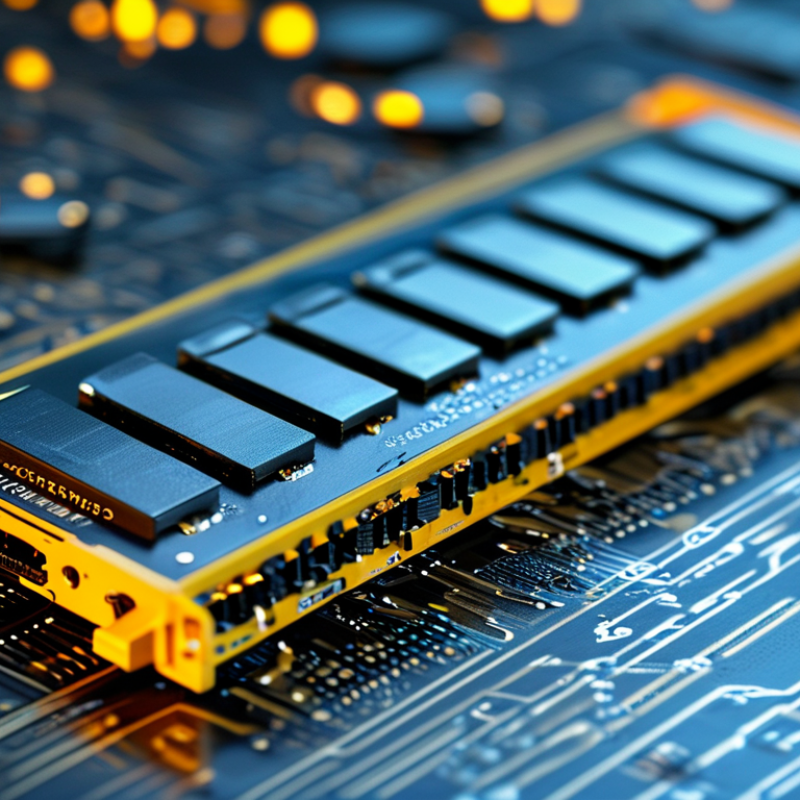
Overview of QSFP28 Transceiver Technology
The QSFP28 transceiver technology is shaping the landscape of high-speed data transmission. It supports up to 100 Gbps data rates. This allows for seamless connectivity in data centers and enterprise networks. Its compact size makes it easy to integrate into existing infrastructures. This is crucial for businesses looking to upgrade without extensive overhauls.
The design of QSFP28 transceivers includes multiple channels. Each channel can handle 25 Gbps, ensuring efficiency and performance. This technology also emphasizes low power consumption, which is vital for reducing operational costs. High reliability is another key feature, reducing downtime. However, compatibility with older systems can sometimes cause challenges. Users may need to evaluate compatibility before fully embracing this technology.
As networks grow more complex, the need for robust solutions becomes clear. QSFP28 transceivers pave the way for faster, more efficient data flow. Yet, organizations must consider their specific needs and limitations. Balancing innovative technology with practical applications is essential for achieving optimal results.
High-Speed Data Transmission Capabilities
The QSFP28 transceiver significantly enhances high-speed data transmission. It delivers rates up to 100 Gbps, reaching distances of at least 40 kilometers with multimode fiber. According to the IEEE 802.3bm standard, this technology is vital for data centers, ensuring seamless connectivity.
In an era where data consumption is rapidly growing, QSFP28 supports increasing demands. Reports indicate that global internet traffic is expected to triple by 2023. With the emergence of cloud services and 5G technology, high-speed interconnects are essential. QSFP28’s efficiency helps in managing high bandwidth requirements effectively.
However, not every deployment has been optimized. Many users struggle with integration issues. Compatibility with existing systems can be a challenge. It's crucial to evaluate infrastructure before investing. Overall, while QSFP28 offers impressive capabilities, careful planning is necessary for successful implementation.
Cost-Effectiveness for Global Procurement
The QSFP28 transceiver offers significant cost-effectiveness for global procurement. Its ability to support high data rates helps reduce overall network expenses. With a 100G capacity, this technology minimizes the need for additional transceivers in data centers. Fewer components lead to lower installation and maintenance costs.
Furthermore, the energy efficiency of QSFP28 transceivers plays a crucial role. These devices consume less power, thus significantly lowering operational expenses. For large-scale buyers, this equates to long-term savings. It creates a scenario where organizations can invest those savings into further innovation or expansion. However, flexibility in inventory management is still an area needing reflection. Depending on demand fluctuations, stock levels can become burdensome.
Budget-conscious buyers are constantly seeking effective solutions. The QSFP28 transceiver presents an appealing choice, with reduced costs and strategic benefits. However, market volatility poses risks. It’s essential for global buyers to conduct thorough research and evaluate whether these transceivers align with their specific requirements and future goals. Addressing these challenges effectively can enhance procurement decisions.
Scalability and Future-Proof Networking Solutions
The QSFP28 transceiver stands out as a vital component for modern networking. Its design allows for scalability, accommodating future growth and technology shifts. Organizations are increasingly seeking solutions that adapt seamlessly to growing demands.
One notable feature of QSFP28 is its ability to support up to 100 Gbps bandwidth. This allows networks to handle heavy data loads smoothly. When planning for future expansions, consider how such high capacity can meet increasing internet traffic demands. Investing in QSFP28 now means less frequent upgrades in the coming years.
Tip: Evaluate your current network needs. Will they change over the next few years? Anticipating future needs can save costs long-term.
The versatility of QSFP28 ensures compatibility with various network architectures. This adaptability helps mitigate risks associated with rapid technological advancements. However, organizations must reflect on their specific environments to fully leverage these benefits. Not every implementation will be smooth; adjustments may be necessary.
Tip: Monitor industry trends. Staying informed can enhance your ability to make strategic decisions. Regular assessments ensure that your networking solutions remain relevant.
Compatibility with Existing Infrastructure and Standards
The QSFP28 transceiver brings significant advantages, especially regarding compatibility with existing infrastructure and standards. These transceivers support 100 Gigabit Ethernet and are designed to maintain seamless integration. They allow organizations to upgrade without overhauling entire systems. This flexibility is crucial for businesses aiming to enhance data transfer rates without substantial investment.
Compatibility also extends to various protocols. Since they adhere to established standards, organizations can avoid compatibility issues often seen in less standardized equipment. This adherence ensures that networking systems remain efficient and reliable. However, mismatched systems still pose challenges, requiring careful assessment during upgrades. Understanding the existing setup is vital to ensure that the new components will function effectively.
Moreover, networks can experience improved performance while minimizing interruptions. QSFP28 transceivers are ideal for data centers and enterprise applications. Businesses can leverage their investment in current infrastructure and gradually improve speed and reliability over time. Yet, implementing such upgrades necessitates a strategic approach. Failure to assess potential bottlenecks or vulnerabilities may lead to mixed results. Balancing innovation with a solid foundation can be complex, but the benefits are generally worthwhile.
FAQS
: QSFP28 transceivers reduce overall network expenses with their high data rates and require fewer components.
QSFP28 transceivers consume less power, significantly lowering operational expenses, leading to long-term savings.
Buyers must reflect on inventory flexibility, as demand fluctuations can create stock management challenges.
QSFP28 transceivers allow scalability and accommodate future growth to meet increasing internet traffic demands.
QSFP28 transceivers support seamless upgrades, enabling businesses to enhance data rates without costly system overhauls.
Global buyers face risks from market changes, necessitating thorough research before choosing QSFP28 transceivers.
Organizations should evaluate their current setup to avoid potential mismatches and ensure smooth integration.
Staying informed about trends helps organizations make strategic decisions and keep their networking solutions relevant.
Not every implementation will work smoothly, requiring adjustments based on specific organizational environments.
Anticipating changes in network needs can save costs and improve long-term planning strategies for organizations.
Conclusion
The QSFP28 transceiver technology offers significant advantages for global buyers seeking efficient networking solutions. With its high-speed data transmission capabilities, the QSFP28 transceiver can support up to 400 Gbps, enabling swift data transfer that is essential for modern applications. Its cost-effectiveness makes it an attractive option for global procurement, providing excellent value without compromising performance.
Moreover, the QSFP28 transceiver ensures scalability and future-proofing for networking systems, accommodating the evolving demands of data traffic. Its compatibility with existing infrastructure and industry standards facilitates seamless integration, allowing businesses to upgrade their networks without extensive overhauls. This combination of speed, cost efficiency, scalability, and compatibility solidifies the QSFP28 transceiver as a compelling choice for organizations aiming to enhance their network capabilities.
 Dorelink
