 Dorelink
Dorelink
Dorelink
The rise of 200G optical transceivers marks a pivotal shift in network capabilities. As businesses increasingly rely on high-speed data transfers, adopting this technology is crucial. According to a recent report by Research and Markets, the global optical transceiver market is projected to reach $22.4 billion by 2026, growing significantly from 2019. This data illustrates the expanding need for faster connectivity in industries like telecommunications and cloud computing.
Dr. Emily Cheng, a renowned expert in optical networking, emphasizes, “The transition to 200G optical transceivers is essential for businesses aiming to stay competitive.” This statement echoes the sentiment shared by many industry leaders who recognize the growing demand for higher bandwidth. Businesses that implement 200G optical transceivers can experience decreased latency and improved data transmission rates.
However, transitioning to this technology is not without challenges. Many companies face difficulties in integrating 200G solutions into existing infrastructures. Additionally, costs may be a concern for smaller enterprises. While the advantages are significant, businesses must carefully evaluate their readiness for this upgrade to fully leverage its benefits.
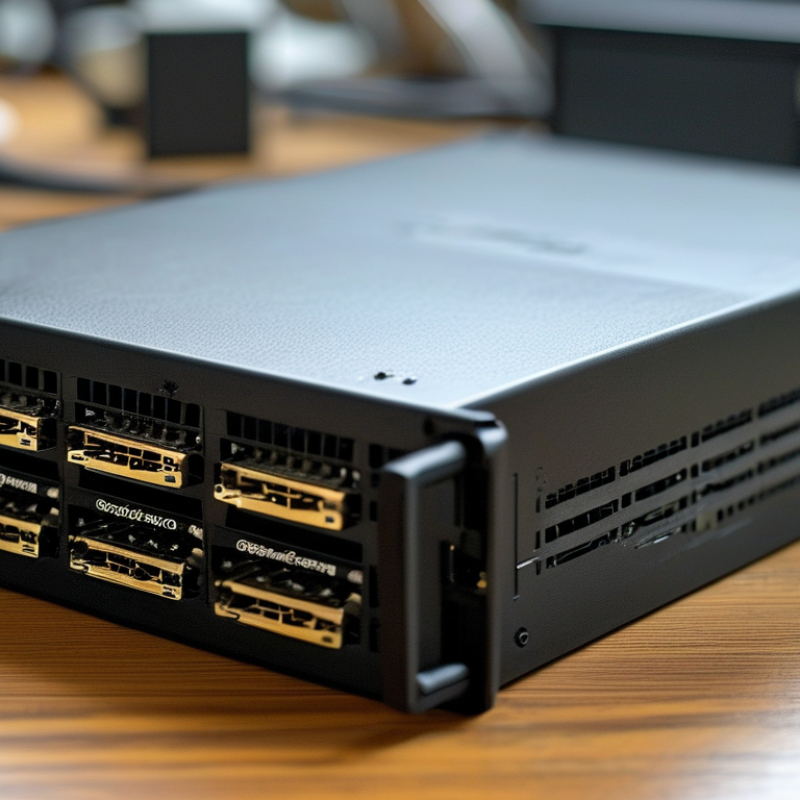
200G optical transceivers have become vital in modern networking. They enable faster data transmission and lower latency. This technology supports the increasing demand for high-speed internet. Understanding their functionality can help businesses improve network performance.
These transceivers convert electrical signals to optical signals. They transmit data over fiber optic cables. The 200G speed allows for greater bandwidth, essential for data-intensive applications. Many industries benefit, from finance to healthcare. However, implementing this technology requires careful planning. Network infrastructure may need upgrades to handle the speed.
Tip: Assess your current network capacity before upgrading to 200G. This ensures you maximize the benefits of the new technology. Upgrading without proper analysis can lead to wasted resources.
Another consideration is compatibility with existing systems. Not all devices support 200G optical transceivers. Testing is crucial. Ensure that each component in your network supports this technology to avoid disruptions.
Tip: Monitor network performance regularly. Identifying bottlenecks can help you make informed decisions about upgrades. Keep in mind that technology evolves quickly, and staying updated is essential for sustainability.
| Benefit | Description | Impact on Business |
|---|---|---|
| High Bandwidth | 200G optical transceivers provide significantly higher data transfer rates compared to previous generations. | Enables faster data processing and improves overall network efficiency. |
| Cost Efficiency | Reduces the need for multiple lower-speed transceivers, decreasing infrastructure costs. | Lower operational and maintenance costs, leading to better ROI. |
| Future-Proofing | 200G transceivers support emerging applications and are designed to accommodate future upgrades. | Ensures longevity of the network infrastructure and adaptability to technological advancements. |
| Improved Signal Integrity | Utilizes advanced technology to minimize signal degradation over long distances. | Enhances reliability and quality of data transmission. |
| Scalability | Easily integrates into existing networks and scales to accommodate increased demand. | Facilitates growth without requiring complete network overhauls. |
: They are devices that convert electrical signals to optical signals, enabling faster data transmission over fiber optic cables.
They enhance performance by allowing faster data transfer and reducing latency by up to 80% in some networks.
Assess current network capacity and ensure that the existing systems support 200G technology to avoid issues.
Not all devices can support 200G, so testing ensures smooth integration and prevents disruptions in service.
Initial costs may be high, but they can save money in the long run by doubling data throughput and reducing maintenance.
Engage technical experts to evaluate infrastructure needs and guide the transition process while minimizing unnecessary costs.
Upgrading without assessing needs may lead to wasted resources and insufficient infrastructure to support the speed.
Regular monitoring helps identify bottlenecks and is essential for staying competitive in a rapidly evolving technological landscape.
Not necessarily; assessing traffic patterns is crucial to determine if 200G is an appropriate investment for the organization.
Choosing reputable vendors ensures compatibility and helps mitigate potential issues during integration.
The article discusses the significant benefits of integrating 200G optical transceivers into a business's operational framework. It begins by explaining the functionality of 200G optical transceivers, highlighting their capability to enhance data transmission speeds and overall network performance. The key advantages of implementing these transceivers include improved bandwidth, reduced latency, and increased efficiency, which are crucial for businesses aiming to maintain competitive advantages in a rapidly evolving digital landscape.
Moreover, the article emphasizes the cost-effectiveness and return on investment (ROI) associated with switching to 200G optical transceivers. By investing in this advanced technology, businesses can future-proof their infrastructure, ensuring they are well-equipped to handle increasing data demands and technological advancements. Ultimately, adopting 200G optical transceivers not only enhances operational performance but also positions companies favorably for sustained growth and innovation.
