Dorelink
In the fast-evolving world of networking technology, understanding the latest trends is crucial for buyers. The QSFP transceiver is becoming increasingly popular due to its versatility and performance. This compact device supports multiple data rates, making it essential for high-speed data transfer in data centers and telecommunication networks.
As we approach 2026, it's important to stay informed about the key trends shaping the QSFP transceiver market. Buyers need to adapt to innovations and advancements to make informed choices. Compatibility and scalability are core considerations when selecting a QSFP transceiver. However, with so many options, buyers often feel overwhelmed and uncertain.
Recognizing the right specifications and understanding emerging standards is vital. Buyers should consult experts and resources to avoid pitfalls. Investing time in research can lead to better purchases. With evolving technology, reflecting on the needs of your network will guide your QSFP transceiver choices.
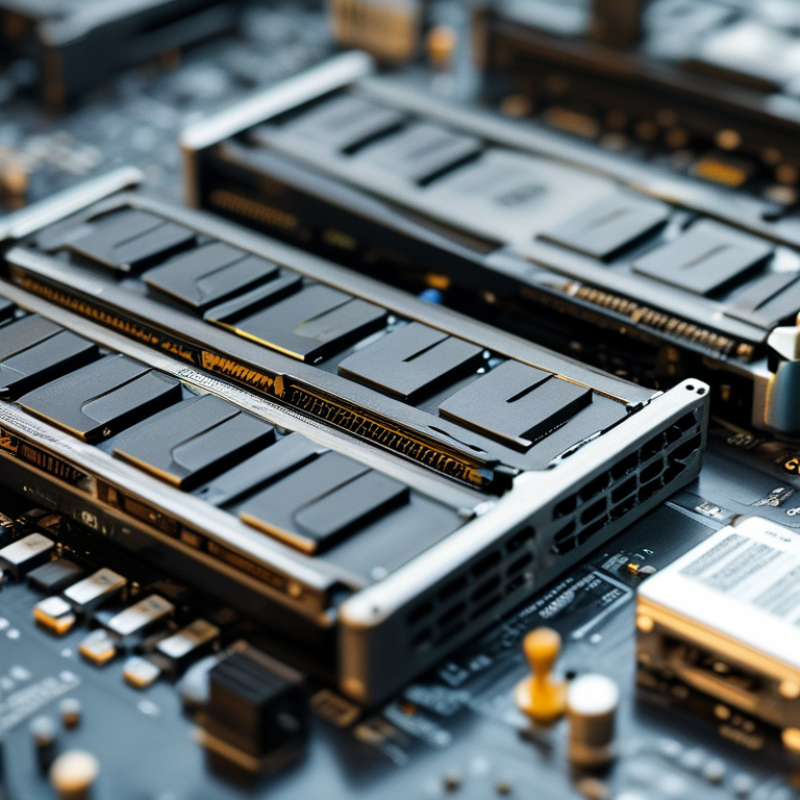
The data center landscape is rapidly evolving, with 400G QSFP transceivers emerging as a pivotal technology for 2026. These high-speed transceivers offer several advantages, primarily in bandwidth and efficiency. Data centers face growing demands for faster data transfer rates. Transitioning to 400G technology enables organizations to manage increased workloads effectively.
However, the shift to 400G isn’t without challenges. High costs and compatibility issues can impede adoption. As organizations upgrade their infrastructure, they must ensure that existing equipment integrates seamlessly. This requires a clear understanding of network requirements and future-proofing strategies.
Inexperienced buyers might overlook the importance of thorough research on transceiver specifications and vendor reliability. Trustworthy sources of information can guide organizations toward making informed decisions. Interoperability and power consumption are critical considerations that require careful evaluation. As the landscape continues to shift, adaptability is essential for staying ahead.
The landscape of data transfer is rapidly changing. In 2026, QSFP transceiver technology is set to evolve significantly. The increase in 400G and 800G applications drives bandwidth demands. According to a recent industry report, the global market for QSFP modules is projected to reach over $2 billion by 2026. This growth highlights the importance of adapting to new bandwidth requirements.
Key innovations such as improved thermal management and advanced signal integrity are transforming QSFP technology. These developments enable higher data rates and reduce latency, which is critical for applications like cloud computing and 5G networks. A recent study indicates that incorporating new modulation formats could enhance transmission distance while maintaining bandwidth efficiency.
Tips for buyers include prioritizing compatibility. Ensure your existing infrastructure supports these future-proof solutions. Monitoring trends in QSFP technology is essential. Staying informed can help organizations make smarter purchasing decisions. Also, consider power consumption metrics; they can impact long-term operational costs. Balancing performance with cost efficiency is key, especially given the rapid evolution in this sector.
| Trend | Description | Potential Impact on Bandwidth | Expected Adoption Rate (%) |
|---|---|---|---|
| Higher Density Modules | Innovation in multi-fiber and compact module designs to increase port density. | Increased capacity per rack unit, supporting higher data rates. | 75% |
| Optical Engine Advancements | Integration of advanced optical technologies such as coherent optics. | Significant improvement in long-distance data transmission efficiency. | 60% |
| AI and Machine Learning Integration | Use of AI algorithms for predictive maintenance and performance optimization. | Reduced downtime and enhanced overall network performance. | 50% |
| Support for 400G and Beyond | Development of QSFP modules supporting 400G and higher speeds. | Meeting the growing bandwidth demands of enterprise networks. | 80% |
| Environmental Considerations | Designing transceivers with lower power consumption and eco-friendly materials. | Lower operational costs and improved sustainability. | 65% |
The expanding landscape of network infrastructure reveals a significant trend: the increasing demand for energy-efficient QSFP solutions. Recent reports indicate that energy costs make up about 30% of total operational expenses in data centers. This pushes companies to seek sustainable alternatives that both reduce energy consumption and lower costs.
Projections suggest that the market for energy-efficient transceivers will grow by over 15% annually. Organizations are focusing on technologies that enhance performance while minimizing energy use. The ideal QSFP (Quad Small Form-factor Pluggable) offers high data rates with low power consumption. In fact, efficient solutions can lead to a 20% reduction in energy use, paving the way for a greener future.
However, transitioning to these solutions is complex. Many existing infrastructures face compatibility issues with energy-efficient equipment. Additionally, the upfront investment in these technologies can pose a challenge. Buyers must navigate these realities carefully. Balancing efficiency and cost-effectiveness remains a pressing concern. The push for energy efficiency in QSFP solutions reflects a critical shift towards sustainable networking practices.
As we approach 2026, the QSFP transceiver market is set for significant growth. This growth is driven by the rising demand for high-speed data centers and enhanced network capabilities. Industry analysts predict a compound annual growth rate that reflects the increasing reliance on cloud computing and data analytics. More organizations are investing in optical networking, necessitating higher capacity and speed.
Tip: When considering a QSFP transceiver, assess your current and future bandwidth needs. Choose wisely based on your long-term objectives. Rushing into a purchase may lead to future limitations.
With advancements in technology, the efficiency and performance of QSFP transceivers are improving. However, buyers must navigate a complex landscape of specifications and standards. Understanding these trends is key to making informed decisions. Embrace opportunities to reflect on your network's requirements before diving into the options available.
Tip: Stay updated on market trends. Regularly review credible sources and industry reports. This practice will help you identify potential shifts in technology that could impact your purchasing choices.
The integration of AI and machine learning into QSFP transceiver development is a trend that is reshaping the industry. These technologies enhance performance, making devices smarter and more efficient. Machine learning algorithms can predict failure rates and optimize signal integrity, reducing downtime. This predictive maintenance can save costs and improve overall network reliability.
Incorporating AI can also lead to more intuitive product designs. For example, transceivers can adapt to varying network conditions in real-time. This feature improves bandwidth management and overall transfer rates. Buyers should consider these advancements when evaluating new products.
Tips: Look for transceivers that leverage AI for enhanced efficiency. Check reviews and user feedback on reliability. Keep in mind that while technology advances, it may take time for full optimization. Not every device will be flawless at the outset. Always assess how new features align with your specific needs.
The bar chart above illustrates the key investment trends in QSFP transceiver technology for 2026, highlighting the significant focus on AI integration and data rate increases. These trends are shaping the future of transceiver development and influencing buyer decisions in the market.
: Compatibility with existing infrastructure is crucial for future-proofing your investment.
Energy costs can account for about 30% of total operational expenses in data centers.
The market for energy-efficient transceivers is expected to grow over 15% annually.
AI enhances performance, predicts failures, and optimizes signal integrity for better reliability.
Staying informed helps organizations make smarter purchasing decisions in a rapidly evolving market.
Compatibility issues and upfront investment costs can complicate the transition to energy-efficient technologies.
They can lead to a 20% reduction in energy consumption, promoting sustainability.
Look for products leveraging AI, check user reviews, and align features with your specific needs.
Efficient solutions should not compromise on performance while being cost-effective to ensure value.
No, it may take time for new technologies to reach full optimization and reliability.
The 2026 landscape for QSFP transceivers is set to be defined by several key trends that every buyer should be aware of. Notably, the rise of 400G QSFP transceivers is revolutionizing data center operations, enabling higher bandwidth capabilities to meet growing demands. Technological innovations are also playing a crucial role, particularly in addressing bandwidth requirements while enhancing efficiency.
As energy efficiency continues to be a priority in network infrastructure, there is an increasing demand for QSFP transceivers that prioritize lower power consumption without sacrificing performance. Market predictions indicate a significant growth rate for QSFP transceivers in 2026, driven by these trends. Moreover, the integration of artificial intelligence and machine learning is anticipated to further advance the development of QSFP transceivers, paving the way for smarter, more adaptive networking solutions.